lunes, 29 de febrero de 2016
¿Los gigantes de Internet en problemas?
¿Los gigantes de Internet en problemas?: Rusia puede poner en marcha un "impuesto a Google"
La propuesta busca garantizar la igualdad de condiciones de funcionamiento para empresas de Internet en Rusia y evitar el uso indiscriminado de la información personal de sus usuarios.
El presidente ruso Vladímir Putin ha dado su apoyo al desarrollo de una reforma que garantice a las compañías rusas de tecnología informática (IT, por sus siglas en inglés) unas condiciones que les permitan competir en el mercado frente a sus homónimas extranjeras. Igualmente, dicha reforma pretende regular el uso de los datos personales y la privacidad de los usuarios dentro de la Red, ha informado el portal oficial del Kremlin.
La medida obedece al reducido porcentaje de empresas extranjeras dentro del mercado ruso que pagan impuestos ya que no cuentan con filiales u oficinas en el país, lo cual les permite vender sus productos más baratos y hacer a las empresas nacionales menos atractivas. Por tal motivo, a finales del 2015 fue presentado a la Duma Estatal un proyecto de ley a fin de introducir una iniciativa fiscal –llamada 'impuesto a Google'– a las compras de 'software' y contenido multimedia a compañías de otros países por parte de usuarios rusos.
Los gestores de la medida proponen que firmas como Apple o Google adecuen puntos de pago de impuestos en el territorio ruso y presenten informes detallados de las ventas realizadas por sus ciudadanos, que serían identificados a traves de la dirección IP o del número de la tarjeta de crédito.
En relación al control sobre los datos de los usuarios rusos, el exministro de Telecomunicaciones Ígor Shchyogolev aseguró a Interfax que esta información se ha convertido en el "petróleo de la economía en Internet" y que al no garantizarse la privacidad del usuario, muchas veces se "ignoran y pisotean" sus derechos.
Por su parte, Natalya Kaspersky, CEO de la compañía de seguridad informática rusa Infowatch, considera "inaceptable" la enorme cantidad de información en manos de empresas privadas y el acceso a información de agencias de inteligencia y gobiernos extranjeros. Por ello, propone que "los datos personales sean declarados propiedad del Estado a fin de darle la posibilidad de regular su uso a través de la legislación
Publicado lunes, febrero 01, 2016 por La Verdad Oculta

Revelan por qué China está adquiriendo empresas extranjeras en masa
Revelan por qué China está adquiriendo empresas extranjeras en masa
Publicado lunes, febrero 29, 2016 por la verdad oculta
Revelan por qué China está adquiriendo empresas extranjeras en masa
En lo que va de 2016 se han reportado más de 100 operaciones relacionadas con la participación de empresarios chinos por un valor aproximado de 80.000 millones de dólares.
La economía occidental se encuentra atravesando otra crisis económica; tiempos difíciles que a China le vienen como anillo al dedo: los empresarios del país asiático están comprando a gran velocidad empresas extranjeras, incluido EE.UU. En lo que va de 2016 se han reportado más de 100 operaciones relacionadas con la participación de empresarios chinos por un valor aproximado de 80.000 millones de dólares (si se compara con el mismo período en 2015, la cifra marca un aumento de casi 8 veces).
El economista David Kotz sostiene que gracias a la compra de empresas extranjeras los fabricantes chinos serán capaces de incorporar tecnologías avanzadas en las companías del país asiático. "Creo que tales empresas, como General Electric, China las adquiere por el traspaso de los procesos tecnológicos. Los productores locales van a asimilar las tecnologías que en el futuro van a jugar un papel importante", declara el experto a RT.
"China se perfecciona en esta dirección; hace una transición desde las producciones que requieren mano de obra no cualificada hacia el sector de alta tecnología con tecnologías avanzadas", explica el economista.
Según Kotz, profesor de economía en la Universidad de Massachusetts (EE.UU.), la compra de firmas por parte de empresarios del gigante asiático "es bastante lógica desde el punto de vista de la estrategia de desarrollo de China". "El país alcanzó un gran éxito como exportador, sobre todo en los mercados estadounidenses. Hay una broma que hace referencia a que si EE.UU. no importase ropa de China y prohibiese su suministro, nos quedaríamos sin ropa", relata.
fin de los teléfonos inteligentes
El director de Sony vaticina el fin de los teléfonos inteligentes
Publicado domingo, febrero 28, 2016 por La Verdad Oculta
El director de Sony vaticina el fin de los teléfonos inteligentes
El presidente de la compañía japonesa asegura que "hoy en día no hay más innovaciones significativas" en este tipo de productos.
Los días de los teléfonos inteligentes están contados y pronto la industria los sustituirán por otros dispositivos, según ha declarado el presidente de la compañía japonesa Sony, Kazuo Hirai, en una entrevista al periódico alemán 'Die Welt'.
"Estoy convencido de que nos encontramos en una encrucijada", como cuando hace 10 años los celulares vivieron su transición, porque "hoy en día no hay más innovaciones significativas" en este tipo de productos, ha asegurado el directivo de la multinacional.
Kazuo Hirai ha destacado que, aunque muchos fabricantes obtienen éxitos diversos con sus experimentos en electrónica portátil, "no hemos visto nada que realmente traiga un cambio revolucionario". Para finalizar, este ejecutivo japonés ha confirmado que los 'smartphones' "no permanecerán para siempre
EE.UU. y la OTAN no tienen ni idea
Secretos de Rusia de los que EE.UU. y la OTAN no tienen ni idea
Liliya Khusainova
En los últimos meses no pasa un día sin que los medios de información o líderes occidentales traten de difamar a Rusia, su economía o sus intentos por lograr paz y estabilidad en las regiones vulnerables del mundo. Pero su ahínco y brío están inicialmente condenados al fracaso. ¿Por qué? La respuesta es simple: Rusia tiene sus secretos.
As bajo la manga
Secreto número uno que no da tregua a los halcones de EE.UU.: el poder de Rusia. Nadie va a resistir contra un rival débil. El poder militar y posibilidades en esa esfera de Rusia son un caballo indomable para EE.UU. y la OTAN, ya que las capacidades militares rusas son enormes y nadie es plenamente consciente del poder real de Rusia.
Basta unos ejemplos: los sistemas de defensa aérea rusos S-300 y S-400, que provocan indignación y pánico en Occidente, ya que no les gusta el hecho de que dichos sistemas de defensa estén creando "zonas prohibidas" para sus ataques.
También está el cazabombardero ruso de quinta generación T-50 (PAK FA), que ya ha establecido un récord mundial de velocidad de acenso. Las características técnicas del bombardero se mantienen en secreto, sin embargo, se sabe que corresponden a los requisitos de una aeronave de quinta generación.
Estoy segura de que unos pocos ejemplos bastan para evidenciar el abanico de sorpresas que prepara Moscú para proteger su soberanía, mientras que la OTAN sigue acumulando armamento cerca de las fronteras con Rusia.
En 2012, la Comisión Industrial Militar de Rusia, comenzó a desarrollar un nuevo programa de armamentos para 2016-2025 llevando a cabo diversas reformas militares que nadie sospechaba.
Sorpresas económicas inesperadas
La segunda incógnita para EE.UU. y la OTAN es la economía de Rusia. No sería cierto decir que el país no pasa por dificultades. La economía de Rusia depende del petróleo, cuyo precio ha sufrido una drástica caída en los últimos meses.
Pero esas dificultades no son del tamaño soñado por Occidente, además estimularon procesos de renovación económica gracias a las acciones tomadas por el Banco Central de Rusia y los ministerios encargados de asuntos económicos. Se puede mencionar aquí la política rusa de sustitución de importaciones, el desarrollo de sectores cruciales para la economía nacional como la agricultura, la regulación de la inflación, etc.
Además, el Ministerio de Finanzas de Rusia propuso nuevas normas presupuestarias: actualmente se discute el apoyo renovado para el rublo por los precios bajos del petróleo. La iniciativa prevé la asignación de los ingresos procedentes del petróleo al Fondo de Reserva y el Fondo Nacional de Asistencia Social, cuando los precios del petróleo superen el nivel de los 50 dólares por barril.
Además, no se pueden olvidar las reservas de oro de Rusia. En enero del 2016 la cantidad de las reservas internacionales de oro y divisas de Rusia aumentó en 3.200 millones de dólares, hasta alcanzar los 368.300 millones de dólares, informa el Banco Central de Rusia.
El último, pero no menos importante
El tercer sigilo absolutamente desconocido por Occidente es la Carta de la ONU y las leyes internacionales. Mientras Rusia lucha contra el terrorismo y busca la solución de la crisis siria mediante un diálogo abierto, miembros de la OTAN como Turquía continúan sus ataques y halcones de EE.UU. preparan un "plan B" para Siria.
Y todo eso se desarrolla a la luz de la supuesta operación de la coalición internacional contra el terrorismo y los planes de Arabia Saudita de iniciar una intervención terrestre en Siria, que son totalmente ilegales por la simple razón de que el Gobierno de esa nación no solicitó a Washington u otro país -salvo a Rusia- ningún tipo de asistencia militar en ese país soberano, algo fuera del marco legal internacional.
Durante su intervención en el marco de la Asamblea General de la ONU en septiembre pasado el presidente ruso, Vladímir Putin, condenó las acciones de los países que optaron por la vía violenta de intervención en países como Siria, Irak y Libia, creando un caos político y un vacío que posteriormente ocuparon los terroristas.
"Algunos países han empezado a pensar que si son fuertes pueden ignorar a la ONU", dijo el presidente ruso criticando las decisiones de actuar sin contar con la organización. "La injerencia agresiva causó la destrucción total y una catástrofe social", agregó, condenando también la 'exportación' de las "denominadas revoluciones democráticas". "Resulta imposible seguir aguantando el orden mundial que hay en el mundo", insistió el líder ruso.
Parece que EE.UU. y la OTAN sueñan con sumergir a Rusia en problemas, pero nunca lo conseguirán ya que Rusia va a seguir su rumbo de honestidad, diálogo abierto y cumplimiento de las leyes internacionales.
Lo único que nos queda es esperar que el ejemplo de Rusia se vuelva contagioso y Occidente recapacite, olvidando sus intereses mercantiles y juegos hipócritas por el bien común
Liliya Khusainova
En los últimos meses no pasa un día sin que los medios de información o líderes occidentales traten de difamar a Rusia, su economía o sus intentos por lograr paz y estabilidad en las regiones vulnerables del mundo. Pero su ahínco y brío están inicialmente condenados al fracaso. ¿Por qué? La respuesta es simple: Rusia tiene sus secretos.
As bajo la manga
Secreto número uno que no da tregua a los halcones de EE.UU.: el poder de Rusia. Nadie va a resistir contra un rival débil. El poder militar y posibilidades en esa esfera de Rusia son un caballo indomable para EE.UU. y la OTAN, ya que las capacidades militares rusas son enormes y nadie es plenamente consciente del poder real de Rusia.
Basta unos ejemplos: los sistemas de defensa aérea rusos S-300 y S-400, que provocan indignación y pánico en Occidente, ya que no les gusta el hecho de que dichos sistemas de defensa estén creando "zonas prohibidas" para sus ataques.
También está el cazabombardero ruso de quinta generación T-50 (PAK FA), que ya ha establecido un récord mundial de velocidad de acenso. Las características técnicas del bombardero se mantienen en secreto, sin embargo, se sabe que corresponden a los requisitos de una aeronave de quinta generación.
Estoy segura de que unos pocos ejemplos bastan para evidenciar el abanico de sorpresas que prepara Moscú para proteger su soberanía, mientras que la OTAN sigue acumulando armamento cerca de las fronteras con Rusia.
En 2012, la Comisión Industrial Militar de Rusia, comenzó a desarrollar un nuevo programa de armamentos para 2016-2025 llevando a cabo diversas reformas militares que nadie sospechaba.
Sorpresas económicas inesperadas
La segunda incógnita para EE.UU. y la OTAN es la economía de Rusia. No sería cierto decir que el país no pasa por dificultades. La economía de Rusia depende del petróleo, cuyo precio ha sufrido una drástica caída en los últimos meses.
Pero esas dificultades no son del tamaño soñado por Occidente, además estimularon procesos de renovación económica gracias a las acciones tomadas por el Banco Central de Rusia y los ministerios encargados de asuntos económicos. Se puede mencionar aquí la política rusa de sustitución de importaciones, el desarrollo de sectores cruciales para la economía nacional como la agricultura, la regulación de la inflación, etc.
Además, el Ministerio de Finanzas de Rusia propuso nuevas normas presupuestarias: actualmente se discute el apoyo renovado para el rublo por los precios bajos del petróleo. La iniciativa prevé la asignación de los ingresos procedentes del petróleo al Fondo de Reserva y el Fondo Nacional de Asistencia Social, cuando los precios del petróleo superen el nivel de los 50 dólares por barril.
Además, no se pueden olvidar las reservas de oro de Rusia. En enero del 2016 la cantidad de las reservas internacionales de oro y divisas de Rusia aumentó en 3.200 millones de dólares, hasta alcanzar los 368.300 millones de dólares, informa el Banco Central de Rusia.
El último, pero no menos importante
El tercer sigilo absolutamente desconocido por Occidente es la Carta de la ONU y las leyes internacionales. Mientras Rusia lucha contra el terrorismo y busca la solución de la crisis siria mediante un diálogo abierto, miembros de la OTAN como Turquía continúan sus ataques y halcones de EE.UU. preparan un "plan B" para Siria.
Y todo eso se desarrolla a la luz de la supuesta operación de la coalición internacional contra el terrorismo y los planes de Arabia Saudita de iniciar una intervención terrestre en Siria, que son totalmente ilegales por la simple razón de que el Gobierno de esa nación no solicitó a Washington u otro país -salvo a Rusia- ningún tipo de asistencia militar en ese país soberano, algo fuera del marco legal internacional.
Durante su intervención en el marco de la Asamblea General de la ONU en septiembre pasado el presidente ruso, Vladímir Putin, condenó las acciones de los países que optaron por la vía violenta de intervención en países como Siria, Irak y Libia, creando un caos político y un vacío que posteriormente ocuparon los terroristas.
"Algunos países han empezado a pensar que si son fuertes pueden ignorar a la ONU", dijo el presidente ruso criticando las decisiones de actuar sin contar con la organización. "La injerencia agresiva causó la destrucción total y una catástrofe social", agregó, condenando también la 'exportación' de las "denominadas revoluciones democráticas". "Resulta imposible seguir aguantando el orden mundial que hay en el mundo", insistió el líder ruso.
Parece que EE.UU. y la OTAN sueñan con sumergir a Rusia en problemas, pero nunca lo conseguirán ya que Rusia va a seguir su rumbo de honestidad, diálogo abierto y cumplimiento de las leyes internacionales.
Lo único que nos queda es esperar que el ejemplo de Rusia se vuelva contagioso y Occidente recapacite, olvidando sus intereses mercantiles y juegos hipócritas por el bien común
¿Se acerca el fin del Estado Islámico?
La tregua permitirá al Ejército sirio reagruparse: ¿Se acerca el fin del Estado Islámico?
Durante el alto el fuego, el Ejército gubernamental podría centrarse en la lucha contra el Estado Islámico si todas las partes respetan el acuerdo.
Si el cese del fuego en Siria es respetado por las partes en conflicto, el Ejército nacional podrá reagruparse para centrarse en la lucha contra el Estado Islámico, opina el experto militar ruso Alexánder Perendzhíev en una entrevista para la agencia RIA Novosti.
"El reagrupamiento del Ejército sirio en una circunstancia de respeto al alto el fuego y el deseo de algunas fuerzas de la oposición de apoyar al presidente Bashar Al Assad en su lucha contra el terrorismo internacional puede ayudar a Siria a librarse definitivamente de la ocupación del Estado Islámico", dijo Perendzhíev.
Sin embargo, el analista se mostró algo escéptico acerca de que todas las partes respeten el alto el fuego de 14 días, algo que, en su opinión, será una prueba definitiva para ellos.
"En Siria puede repetirse el escenario ya probado de socavar los acuerdos de Minsk sobre Ucrania por la parte ucraniana para después echar la culpa de ello a Rusia", señaló.
La semana pasada todas las localidades situadas en la carretera que une las ciudades de Alepo y Khanasir, en el norte del país, han sido retomadas por el Ejército gubernamental sirio. La carretera es la única 'ruta vital' a través de la cual se suministran alimentos, combustible y otros materiales básicos a Alepo.
visto en: actulidad.rt.com© Organización Autónoma sin Fines de Lucro
Objetivos de USA
Los objetivos de Washington al proponer un alto el fuego en Siria
Martes 23 febrero 2016
Los objetivos de Washington al proponer un alto el fuego en Siria
Los objetivos de Washington al proponer un alto el fuego en Siria
EEUU y el plan saudí para enviar fuerzas terrestres a Siria
Posibilidades de un ataque saudí contra Siria
Crisis en Oriente Medio: los intereses y desafíos de EEUU
Israel y la crisis de Oriente Medio: los beneficios y desafíos
Alwaght- La Conferencia de Seguridad de Múnich (MSC, en inglés) tuvo lugar en Alemania durante dos días con la participación de varios países, entre ellos Estados Unidos y Rusia. Los participantes mantuvieron una serie de diálogos en busca de una solución política a la crisis de Siria. Al término del primer día del encuentro, el secretario de Estado de EEUU, John Kerry, informó del logro de un acuerdo sobre un alto al fuego en Siria; un anuncio que confirmó el canciller ruso, Serguei Lavrov.
En esa sesión, EEUU intentó ganar la aprobación de diversos países para acordar el establecimiento de un alto el fuego en Siria, especialmente, en la provincia de Alepo. De hecho, los intentos sospechosos de EEUU para establecer una tregua en Siria, bajo pretextos como “los derechos humanos” y “asistencia a las víctimas”, han planteado muchos interrogantes entre la opinión pública. Durante los últimos años, EEUU no solo no había hecho una propuesta de este tipo sino había puesto obstáculos en el camino hacia el establecimiento de un alto el fuego en Siria. Ahora ¿qué elemento ha provocado que (EEUU) cambie de opinión y por si solo busque parar los choques en Siria?, ¿Por qué es importante para la Casa Blanca establecer una tregua en Siria que la ha llevado a mantener muchos diálogos en Múnich al respecto?
Rusia, como un aliado del Gobierno de Damasco, se ha afiliado al plan de EEUU para establecer un cese el fuego en Siria. Sin embargo, al considerar la postura principal de Moscú ante Damasco, esto podría justificar el establecimiento de una verdadera tregua. Mientras tanto, parece que EEUU ha adoptado una vez más la política hipócrita para ejercer sus planes en Siria.
Siria ya ha entrado al escenario de competencia con grandes potencias y durante las últimas semanas todos los acontecimientos en ese escenario se produjeron a favor del eje Irán, Siria y Rusia. Los logros alcanzados durante las últimas semanas por el Ejército sirio y sus aliados, han frustrado todos los planes de EEUU. La ruptura del asedio de las localidades chiíes de Nubel y Zahra, en la provincia noroccidental de Alepo, destaca entre los logros del eje de la resistencia en Siria. Exactamente después de ese gran logro, las conversaciones de paz de Ginebra fueron suspendidas para que los opositores puedan recuperarse.
Washington ya observa que los acontecimientos en Siria no están a favor de los takfiríes (instrumentos de EEUU para avanzar sus objetivos en la región) y si continúa esa situación, los terroristas serán eliminados tarde o temprano. Por otra parte, a pesar de que Washington ve probable la opción militar en Siria, pero todavía no está seguro que esta opción de resultado; por lo tanto, Arabia Saudí y Turquía no han ejercido sus amenazas hasta el momento.
En este contexto, las autoridades iraníes han declarado explícitamente que cualquier intervención de Arabia Saudí en Siria será como el suicidio de Al Saud. Por su parte, Rusia asimismo ha advertido sobre cualquier locura por parte del régimen saudí en Siria. Por lo tanto, EEUU no puede ignorar sencillamente dos realidades: 1.La mala situación de los terroristas takfiríes en Siria y su posible colapso; 2. Su incapacidad (de EEUU) para prevenir la reacción de los aliados del Gobierno de Damasco ante la decisión de dar luz verde a Turquía y Arabia Saudí para una intervención militar directa en Siria. Por lo tanto, Washington ha decidido establecer una tregua a corto plazo en Siria con el fin de crear una oportunidad para reorganizar a los terroristas takfiríes.
Lo que hemos dicho no significa que EEUU no esté interesado en la intervención militar directa de Arabia Saudí y Turquía en Siria, sino está tomando medidas de precaución ya que no sabe los resultados de esa intervención. Quizás fue EEUU, el que propuso la idea de una operación militar terrestre en Siria a sus aliados regionales. Este asunto no es poco probable ya que la estrategia de largo plazo de Washington en la región es utilizar a los grupos terroristas y los ejércitos en la región para avanzar sus objetivos, sin emplear a las fuerzas estadounidenses. Esta política provoca que EEUU mate dos pájaros de un tiro; es decir, EEUU no tendrá que pagar por una intervención militar directa y su venta de armas aumentará más que antes.
Está claro que Estados Unidos nunca ha sido serio en la lucha contra el terrorismo en Siria y tampoco ha aceptado las reiteradas demandas de las autoridades de Moscú para una cooperación sincera y seria en el combate a este flagelo. La verdad es que el Gobierno de EEUU busca alargar la crisis siria y mantener los conflictos militares en ese país con el fin de cristalizarse dos objetivos: 1. Sustituir al grupo terrorista Daesh por el régimen de Israel como el principal enemigo del eje de la resistencia y desviar la opinión pública de la lucha contra ese régimen. 2. Alcanzar logros en el conflicto sirio y utilizarlos en las conversaciones sobre Siria con el fin de cristalizar sus objetivos en ese país.
El establecimiento de una tregua en Siria y el cese de los ataques aéreos rusos contra las posiciones takfiríes no garantiza el fin de las acciones terroristas mientras el pueblo sirio seguirá siendo la víctima principal de las políticas hipócritas de EEUU
caida del petróleo
Recupera tras caer más de un 3% en una sesión volátil
El barril de petróleo se instala en la locura, ¿qué pasa?
El ministro del Petróleo de Arabia Saudí decepcionó a los mercados con su intervención en Houston el martes
S&P criba la calificación de los países productores de crudo
El crudo barato se quedará, al menos, hasta 2017
El barril de petróleo se instala en la locura, ¿qué pasa?
Subida de la cotización del Brent tras el dato de reservas de EE UU
El barril de Brent se ha instaurado en la locura, después de ceder más de un 6% en dos días, la cotización del rey de las materias primas se ha dado la vuelta y refleja prácticamente un empate técnico. El motivo se encuentra en el dato de las reservas de crudo, conocido hoy, y que ha reflejado un aumento de 3,5 millones de barriles cuando se esperaba que fuera de 3,4. Pese al mal dato, se encuentra muy lejos de la cifra que había estimado el Instituto del Petróleo Americano de ayer, que esperaba cerca de 7 millones, por lo que el efecto ha sido completamente positivo.
El mercado del petróleo se encuentra totalmente saturado y presenta una brecha entre la oferta y la demanda que no se equilibrará, como mínimo, hasta 2017, según los datos de la Agencia Internacional de la Energía. Pese a ello, el crudo vivía en las últimas sesiones un rebote auspiciado por las esperanzas de que un pacto entre los miembros de la Organización de Países Productores de Petróleo (OPEP) y Rusia rebajase los niveles de oro negro a exportar y sirviese de impulso para una cotización que llegó a perder más de un 70% de su valor en 20 meses.
Pero los inversores han despertado de su sueño y, pese a que las negociaciones siguen adelante y Arabia Saudí, Rusia, Venezuela y Catar han acordado congelar su producción a niveles de enero; los mercados exigen más. "El anuncio de la congelación de los niveles de producción se produce en países que, en el último mes, no la habían aumentado, por lo que no tiene efectos reales sobre el mercado”, señalaba a al respecto Eugen Weinberg, responsable de materias primas de Commerzbank AG.
El detonante fue la comparecencia en Houston del ministro del petróleo de Arabia Saudí, Ali al-Naimi, el martes. El dirigente se mostró totalmente contrario a una rebaja de la producción de crudo y negó la evidente guerra de precios que desplomó el precio del crudo desde los 115 dólares por barril a los que cotizaba en 2014.
Pero lo que realmente deprimió la cotización del barril, señalan los analistas, fue la sensación de que Arabia Saudí no tiene realmente intención de cambiar nada para dotar de estabilidad al mercado. "El equilibrio se logrará de forma gradual a medida que los bajos precios del crudo echen del mercado a los productores más ineficientes. O rebajan sus costes, o tendrán que cerrar”, sostuvo.
En este sentido, una vez que los mercados digieran la cifra de las reservas de petróleo, la tendencia para el barril seguirá siendo claramente bajista
Arabia Saudí y Israel han llegado a un acuerdo para atacar a Siria y El Líbano,
Arabia Saudí y Israel han llegado a un acuerdo para atacar a Siria y El Líbano, según un informe de la agencia rusa de noticias Sputnik.

Según Sputnik, el canciller de Arabia Saudí, Adel al-Yubeir, acompañado con el jefe del servicio de Inteligencia, Jaled Hamidan, realizó recientemente un viaje a los territorios ocupados palestinos.
Durante su visita, la delegación saudí mantuvo reuniones con el primer ministro israelí, Benyamin Netanyahu, el jefe del servicio de inteligencia israelí (el Mossad), Yossi Cohen y otras autoridades israelíes.
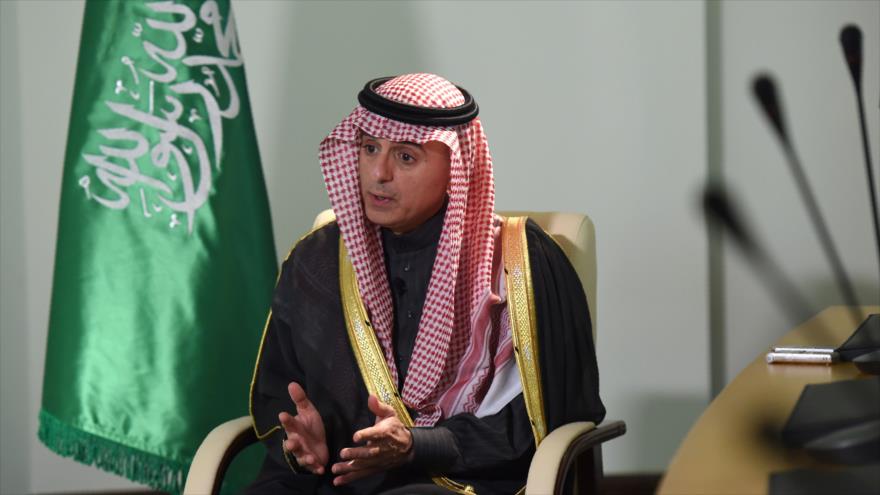
El canciller saudí, Adel al-Yubeir.
Las dos partes han acordado llevar a cabo operaciones militares conjuntas tanto contra Siria como contra El Líbano, ha añadido la fuente.
La agencia rusa además ha enfatizado que el principal objetivo de la visita de la delegación saudí a los territorios palestinos es que Riad pida al régimen de Tel Aviv atacar las zonas sureñas de Siria con el fin de aumentar la presión contra Damasco, en especial si Arabia Saudí y Turquía realizan una injerencia militar en Siria.
comisión constituyente para el 8 de marzo
El Parlament continúa con su hoja de ruta: convoca la comisión constituyente para el 8 de marzo
Según ha informado el Parlamento catalán en un comunicado, el orden del día tiene dos puntos: ratificar a Lluís Llach (JxSí) como nuevo presidente de la comisión y preparar el plan de trabajo que deberán desarrollar los diputados en los próximos meses.
El Parlament catalán ha dado un paso más en su hoja de ruta para la independencia. La vicepresidenta de la comisión de estudio del Proceso Constituyente, Gabriela Serra (CUP), ha convocado este lunes una sesión para el martes 8 de marzo. Esta convocatoria supone una nueva vuelta de tuerca en el pulso que mantienen la Generalitat y el Gobierno central, dado que éste último pidió el 29 de enero al Constitucional que anulara la comisión, algo frente a lo cual el Parlament presentó alegaciones.
El Parlament presentó alegaciones contra la petición de Gobierno, argumentando que la iniciativa "no puede ser considerada como un acto que deriva" de la resolución independentista
Según ha informado el Parlamento catalán en un comunicado, el orden del día tiene dos puntos: ratificar a Lluís Llach (JxSí) como nuevo presidente de la comisión -en sustitución de Muriel Casals que falleció el 14 de febrero- y preparar el plan de trabajo que deberán desarrollar los diputados en los próximos meses. Hasta este lunes solo se había convocado la sesión constitutiva, la que precisamente sirvió para nombrar a Casals como presidenta, y de la que se ausentaron PSC y C's, contrarios a la creación de esta comisión.
El Gobierno central pidió el 29 de enero al Tribunal Constitucional (TC) que anule la comisión, alegando que infringe la sentencia del mismo Alto Tribunal en la que anuló la resolución soberanista aprobada por la cámara el 9 de noviembre de 2015. Precisamente el viernes de la semana pasada el Parlament presentó alegaciones contra la petición de Gobierno, argumentando que la iniciativa "no puede ser considerada como un acto que deriva" de la resolución independentista.
La creación de la comisión de estudio es una iniciativa parlamentaria que, como tal, es "autónoma e independiente de la resolución y da origen a un nuevo procedimiento parlamentario cuyo resultado no está determinado", alegaron los letrados de la Cámara catalana. Consideraron "extraordinariamente forzada y desproporcionada" la tesis del Gobierno central de que la comisión podría dar fruto a declaraciones que vulneraran la anulación de la resolución del 9N porque no se pueden emprender medidas en base al riesgo y a especulaciones
cobra sin asistir al Senado
Más de 40.000 personas ya han firmado para que Barberá devuelva el sueldo que cobra sin asistir al Senado
La exalcaldesa de Valencia, senadora territorial por decisión del Partido Popular, no ha vuelto a pisar las dependencias de la Cámara alta desde que tomó posesión de su cargo el pasado 13 de enero. Su absentismo no le impide, sin embargo, cobrar una nómina que supera los 4.600 euros mensuales, tal y como reveló infoLibre.
Una recogida de firmas gestionada a través de la plataformaChange.org ya ha conseguido reunir más de 40.000 rúbricas reclamando que barberá devuelva todo el dinero que ha cobrado como senadora sin acudir a las dependencia de la Cámara.
El juzgado que investiga los delitos de corrupción incluidos en la llamada Operación Taula ya ha pedido al Senado que certifique el aforamiento de la la exalcaldesa, primer paso para determinar su aforamiento y trasladar la causa al Tribunal Supremo, la única instancia judicial que puede procesar a Barberá después de que el PP decidiese darle un escaño de designación autonómica.
visto en http://www.infolibre.es/noticias/politica/2016/02/23/mas_000_personas_han_firmado_peticion_para_que_rita_barbera_devuelva_sueldo_que_cobra_sin_asistir_senado_45402_1012.html
como calcular la potencia que necesitas
Hay 138.000 MW desperdiciados, ya que la capacidad utilizada es de 37.000 MW
Los usuarios pagan 7.000 millones por la potencia de la luz que no usan
El fijo de la luz subió más de un 90% entre 2013 y 2014 para los domésticos
Ni el Gobierno ni las empresas ni la CNMC promueven una bajada acorde al consumo
Esto es lo que ahorrarías con electrodomésticos eficientes
Cómo calcular cuántos kilovatios debo
Los usuarios pagan 7.000 millones por la potencia de la luz que no usan
Un usuario consultando facturas energéticas. (Pablo Monge)
Los consumidores españoles en su conjunto tienen contratada con las distribuidoras eléctricas una potencia de 175.000 MW cuando la capacidad instalada que tiene el propio sistema es de 108.000 MW, según datos de REE. A esta diferencia de 67.000 MW inútilmente contratada se une además el hecho de que la punta máxima que los clientes usaron el año pasado año fue de unos 37.000 MW máximo (la punta de ayer fue de 35.000 MW y el máximo histórico, registrado en 2007, no superó los 45.500 MW), lo cual demuestra que los ciudadanos están pagando por 138.000 MW que no han aprovechado nunca, lo que se traduce en un gasto para los usuarios muy superior a los 7.000 millones de euros anuales, que son ingresados por el sistema eléctrico.
Hasta hace pocos años, el tener una potencia contratada superior a la necesaria tenía una importancia relativa, pues el término fijo de la factura no era demasiado costoso. Pero la situación cambió sustancialmente cuando a raíz de la reforma eléctrica aprobada por el actual Gobierno en el verano de 2013, el término fijo se revisó por dos veces (en agosto de ese año y enero de 2014) hasta acumular una subida del 92% para los consumidores domésticos y del 145% para los industriales. Una decisión muy criticada en su momento por desincentivar el ahorro de energía y perjudicar en términos relativos a los clientes de menor gasto frente a los grandes consumidores.
Estos reaccionaron a raíz de las campañas de distintas asociaciones de consumidores (una de ellas con el nombre de bajatelapontencia.com), lo que se tradujo durante más de un año en una bajada importante de los ingresos por peajes del sistema que liquida la CNMC mensualmente. De hecho, la potencia contratada (en la actualidad, los citados 175.000 MW) era muy superior en aquellos años:unos 190.000 MW. Las bajadas se han registrado especialmente entre las pequeñas y medianas empresas y no tanto entre los domésticos.
Pero la diferencia entre la potencia que necesitan los clientes y la que figura en sus contadores es aún muy elevada, si bien, ni el Gobierno ni las empresas ni la CNMC parecen dispuestos a promover bajadas hasta los niveles adecuados, “pues harían un agujero serio a los peajes eléctricos”, opinan fuentes del sector. Este año, según la orden de tarifas de acceso, los ingresos previstos por el sistema suman 16.995 millones de euros, de los cuales, 13.464 millones procederán de los peajes de acceso (que pagan los usuarios en la factura) y, el resto, a aportaciones del Estado de impuestos extraídos también del sector.
Un estudio elaborado por Mirubee, una startup española que comercializa una aplicación para calcular la potencia que necesita cada punto de suministro, dos de cada diez hogares, casi el 25% de los mismos, tiene contratada más potencia de la necesaria, lo cual supone que de los 18,3 millones de hogares que hay en España, según el INE, más de 3,6 millones tienen un contrato inadecuado.
Concretamente, una media de 1,1 kW de más, lo que supondría un ahorro si se recortase de 52,82 euros al año por familia. En dicho estudio de Mirubee destaca el caso de un hogar que con una potencia contratada de 10,35 kW (a partir de 10, por otro lado, el usuario pierde el derecho a disfrutar del precio regulado o PVPC) solo llegaba a consumidor picos esporádicos de 4,8 kW. Lo cual significa que pagaba más del doble de la potencia utilizada, con un derroche mensual de 25 euros.
Cómo calcular los kilovatios adecuados
Cuando el consumidor eléctrico se plantea bajar la potencia contratada, consulta a su distribuidora que, generalmente, la calcula en función de los aparatos eléctricos de la vivienda y ofrecen simuladores en sus webs que no suelen ser muy eficaces. Además, las compañías no suelen tener interés en un cambio del que desisten muchas veces los clientes cuando ven que la bajada de la potencia les puede tener algún coste (hay que hacer cambios en el interruptor o ICP). A quienes tienen un contador inteligente les resulta más fácil averiguarlo pero no así a los viejos contadores.
La comercializadora independiente Holaluz.com suele dar un sencillo consejo:“Si nunca te ha saltado el automático es que tienes margen para una bajada de la potencia”. ¿Pero cuál puede ser esta?
En el mercado hay varias soluciones para medir el consumo eléctrico de cada electrodoméstico por separado. Tal es el caso de Mirubee, una firma española que ha diseñado un medidor que se instala en el cuadro eléctrico de la vivienda y analiza el consumo de cada aparato instantáneamente. A medida que el dispositivo va recopilando esos datos, los envía vía wifi a la app de Mirubee, desde donde el usuario puede comprobar en tiempo real su consumo y permite averiguar la potencia que necesita
bajan salarios sube la avaricia
Crecen los beneficios empresariales mientras los salarios siguen bajando
Desde el comienzo de la crisis las rentas salariales han perdido 2,8 puntos de PIB en el reparto de la riqueza nacional (unos 28.000 millones de euros). Por el contrario, los beneficios empresariales han ganado 0,9 puntos (unos 9.000 millones).
ricosdictadurafinanciera
La crisis, y sus consecuencias sobre el empleo y los salarios, además de la productividad y las nuevas tecnologías, han provocado cambios estructurales en el reparto de la renta.
La crisis ha dejado un efecto devastador sobre el empleo, pero también sobre el reparto de la tarta nacional. Es decir, el producto interior bruto que cada año es capaz de generar la economía española. Lo acaba de poner negro sobre blanco la Contabilidad Nacional que ha publicado el Instituto Nacional de Estadística (INE), y que revela que desde el comienzo de la crisis las rentas salariales han perdido 2,8 puntos de PIB en el reparto de la riqueza nacional (unos 28.000 millones de euros). Por el contrario, los beneficios empresariales han ganado 0,9 puntos (unos 9.000 millones).
Como consecuencia de ello, el peso de los salarios en el PIB -509.894 millones- ha caído hasta el 47,2% en el último trimestre del año. Por su parte, el excedente bruto de explotación -460.156 millones- representa el 42,2%. Eso supone una diferencia de cinco puntos, cuando al estallar la crisis financiera la distancia en favor de los salarios era equivalente a 8,7 puntos.
El mayor avance se ha producido en los impuestos sobre la producción y las importaciones -el peso del Estado en la reasignación de recursos-, que han ganado 1,8 puntos, hasta representar el 10,6% del PIB. En total, 111.140 millones de euros.
El desigual reparto de la riqueza, en todo caso, no tiene que ver solo con la crisis. También durante la recuperación se ha consolidado esta tendencia. De hecho, los datos de la Contabilidad Nacional muestran que mientras la remuneración por asalariado a precios corrientes (con inflación) está creciendo a un ritmo anual del 0,9% (cuarto trimestre de 2015), los beneficios empresariales están aumentando un 3,5%. Los impuestos, incluso, están creciendo nada menos que un 7,3% debido a la mayor actividad y el ensanchamiento de las bases imponibles.
Fuente: INE.
Fuente: INE.
La causa de este desigual reparto de la crisis tiene que ver, fundamentalmente, con el desplome del empleo, pero también con la moderación salarial, que ha sido más intensa que en el caso de los beneficios empresariales (incluidos los trabajadores por cuenta propia), tal y como pone de manifiesto la Contabilidad Nacional. “En el caso de las rentas salariales, el descenso se produjo cuando empezaron a aplicarse los ajustes, toda vez que durante los primeros trimestres de la crisis siguieron ganando peso en el reparto de la tarta nacional”. Por el contrario, los beneficios empresariales, se vieron afectados más rápidamente por las consecuencias de la recesión.
Salarios y nuevas tecnologías
No se trata de un fenómeno reciente. Y ni siquiera se trata de una cuestión estrictamente española. La aparición de nuevos competidores procedentes de los países emergentes (China o India) ha reducido en el peso de los salarios en todos los países desarrollados. A mediados de los ochenta, por ejemplo, las nóminas llegaron a suponer más del 57% del PIB, unos 10 puntos más que ahora, cuando el número de asalariados era significativamente inferior al actual. Como explicó el economista Samuel Bentolila en este trabajo publicado por el blog ‘Nada es Gratis‘, tampoco hay que olvidar que a medida que las nuevas tecnologías “han hecho que el capital productivo (las máquinas) sean más baratas y eficientes, las empresas han estado sistemáticamente reemplazando trabajo por capital”.
El nuevo reparto de la tarta, por lo tanto, parece indicar que la mayor parte de las ganancias de productividad de los últimos 40 años ha ido a parar a manos del capital, y eso se refleja en el excedente bruto de explotación, que incorpora también las rentas mixtas (pequeños empresarios individuales).
La aparición de nuevos competidores procedentes de los países emergentes (China o India) ha reducido en el peso de los salarios en los países desarrollados
Un informe del Consejo Económico y Social (CES) muestra que la pérdida de peso de la remuneración de asalariados respecto del PIB tiene que ver por entero con la disociación entre el crecimiento de la productividad por ocupado y la remuneración media por asalariado. Este comportamiento, sostiene el estudio, es de carácter estructural, y tiene mucho que ver con el patrón de crecimiento de la economía española, “muy centrado en sectores de baja productividad, de escaso valor añadido e intensivos en mano de obra poco cualificada, como la construcción y algunos servicios (comercio y hostelería, particularmente)”. En estos sectores, es donde se ha concentrado la creación de empleo temporal con salarios inferiores al promedio, en buena medida ocupados por inmigrantes, mujeres y jóvenes con poca cualificación
Desde el comienzo de la crisis las rentas salariales han perdido 2,8 puntos de PIB en el reparto de la riqueza nacional (unos 28.000 millones de euros). Por el contrario, los beneficios empresariales han ganado 0,9 puntos (unos 9.000 millones).
ricosdictadurafinanciera
La crisis, y sus consecuencias sobre el empleo y los salarios, además de la productividad y las nuevas tecnologías, han provocado cambios estructurales en el reparto de la renta.
La crisis ha dejado un efecto devastador sobre el empleo, pero también sobre el reparto de la tarta nacional. Es decir, el producto interior bruto que cada año es capaz de generar la economía española. Lo acaba de poner negro sobre blanco la Contabilidad Nacional que ha publicado el Instituto Nacional de Estadística (INE), y que revela que desde el comienzo de la crisis las rentas salariales han perdido 2,8 puntos de PIB en el reparto de la riqueza nacional (unos 28.000 millones de euros). Por el contrario, los beneficios empresariales han ganado 0,9 puntos (unos 9.000 millones).
Como consecuencia de ello, el peso de los salarios en el PIB -509.894 millones- ha caído hasta el 47,2% en el último trimestre del año. Por su parte, el excedente bruto de explotación -460.156 millones- representa el 42,2%. Eso supone una diferencia de cinco puntos, cuando al estallar la crisis financiera la distancia en favor de los salarios era equivalente a 8,7 puntos.
El mayor avance se ha producido en los impuestos sobre la producción y las importaciones -el peso del Estado en la reasignación de recursos-, que han ganado 1,8 puntos, hasta representar el 10,6% del PIB. En total, 111.140 millones de euros.
El desigual reparto de la riqueza, en todo caso, no tiene que ver solo con la crisis. También durante la recuperación se ha consolidado esta tendencia. De hecho, los datos de la Contabilidad Nacional muestran que mientras la remuneración por asalariado a precios corrientes (con inflación) está creciendo a un ritmo anual del 0,9% (cuarto trimestre de 2015), los beneficios empresariales están aumentando un 3,5%. Los impuestos, incluso, están creciendo nada menos que un 7,3% debido a la mayor actividad y el ensanchamiento de las bases imponibles.
Fuente: INE.
Fuente: INE.
La causa de este desigual reparto de la crisis tiene que ver, fundamentalmente, con el desplome del empleo, pero también con la moderación salarial, que ha sido más intensa que en el caso de los beneficios empresariales (incluidos los trabajadores por cuenta propia), tal y como pone de manifiesto la Contabilidad Nacional. “En el caso de las rentas salariales, el descenso se produjo cuando empezaron a aplicarse los ajustes, toda vez que durante los primeros trimestres de la crisis siguieron ganando peso en el reparto de la tarta nacional”. Por el contrario, los beneficios empresariales, se vieron afectados más rápidamente por las consecuencias de la recesión.
Salarios y nuevas tecnologías
No se trata de un fenómeno reciente. Y ni siquiera se trata de una cuestión estrictamente española. La aparición de nuevos competidores procedentes de los países emergentes (China o India) ha reducido en el peso de los salarios en todos los países desarrollados. A mediados de los ochenta, por ejemplo, las nóminas llegaron a suponer más del 57% del PIB, unos 10 puntos más que ahora, cuando el número de asalariados era significativamente inferior al actual. Como explicó el economista Samuel Bentolila en este trabajo publicado por el blog ‘Nada es Gratis‘, tampoco hay que olvidar que a medida que las nuevas tecnologías “han hecho que el capital productivo (las máquinas) sean más baratas y eficientes, las empresas han estado sistemáticamente reemplazando trabajo por capital”.
El nuevo reparto de la tarta, por lo tanto, parece indicar que la mayor parte de las ganancias de productividad de los últimos 40 años ha ido a parar a manos del capital, y eso se refleja en el excedente bruto de explotación, que incorpora también las rentas mixtas (pequeños empresarios individuales).
La aparición de nuevos competidores procedentes de los países emergentes (China o India) ha reducido en el peso de los salarios en los países desarrollados
Un informe del Consejo Económico y Social (CES) muestra que la pérdida de peso de la remuneración de asalariados respecto del PIB tiene que ver por entero con la disociación entre el crecimiento de la productividad por ocupado y la remuneración media por asalariado. Este comportamiento, sostiene el estudio, es de carácter estructural, y tiene mucho que ver con el patrón de crecimiento de la economía española, “muy centrado en sectores de baja productividad, de escaso valor añadido e intensivos en mano de obra poco cualificada, como la construcción y algunos servicios (comercio y hostelería, particularmente)”. En estos sectores, es donde se ha concentrado la creación de empleo temporal con salarios inferiores al promedio, en buena medida ocupados por inmigrantes, mujeres y jóvenes con poca cualificación
Corbyn quiere una alianza de izquierdas
Corbyn quiere una alianza de izquierdas junto a Podemos y Syriza en el Parlamento Europeo
El líder del Partido Laborista británico, Jeremy Corbyn, se ha comprometido a formar una alianza internacional con partidos de izquierdas y antiausteridad en el Parlamento Europeo (PE).
Corbyn ha asegurado este domingo al diario británico The Independent que la alianza socialista en el órgano europeo que pretende forjar reuniría a las formaciones de izquierdas de Syriza (Grecia) y Podemos (España) con el fin de impulsar “una profunda y progresiva reforma” en toda la Unión Europea (UE) después de que se celebre el referéndum sobre la permanencia del Reino Unido en el bloque comunitario.
“Para realizar esos cambios necesitamos estar en el centro de una alianza para el cambio con los partidos y movimientos de izquierda, de centro y progresistas de toda Europa”, ha declarado Corbyn.
Asimismo, ha argumentado que tales cambios se realizarían para recortar algunas partes de la renegociación del primer ministro británico, David Cameron, con el organismo regional.
En otra parte de sus declaraciones, el líder laborista ha concretado que su partido “está haciendo aliados para una reforma real en Europa” junto con el Partido de los Socialistas Europeos y otras formaciones europeas de la amplia izquierda, mientras que los conservadores “se están aislando a sí mismos”.
Igualmente, ha dicho querer terminar con el régimen de austeridad que respalda la UE y las regulaciones diseñadas para reforzar la competencia del mercado, entre ellas algunas del gran acuerdo de libre comercio alcanzado entre la UE y Estados Unidos con el apoyo de Cameron.
El secretario general de Podemos, Pablo Iglesias, anunció en agosto su apoyo al liderazgo de Corbyn y el griego Alexis Tsipras (premier de Grecia y líder de la coalición izquierdista de Syriza), y se mostró convencido de que las cosas están “cambiando” en Europa.
Corbyn, un crítico de la austeridad, ha dicho en ocasiones que apoya la opción de que su país se quede en la UE, argumentando que el bloque ha traído inversiones y empleos al Reino Unido.
Sin embargo, ha subrayado que es necesario realizar una verdadera reforma en el mismo para asegurar que “funciona para las personas que trabajan”, y que se respeta la democracia, la protección de los derechos de los trabajadores y se detiene la privatización forzada de los servicios públicos, reporta hispantv
El líder del Partido Laborista británico, Jeremy Corbyn, se ha comprometido a formar una alianza internacional con partidos de izquierdas y antiausteridad en el Parlamento Europeo (PE).
Corbyn ha asegurado este domingo al diario británico The Independent que la alianza socialista en el órgano europeo que pretende forjar reuniría a las formaciones de izquierdas de Syriza (Grecia) y Podemos (España) con el fin de impulsar “una profunda y progresiva reforma” en toda la Unión Europea (UE) después de que se celebre el referéndum sobre la permanencia del Reino Unido en el bloque comunitario.
“Para realizar esos cambios necesitamos estar en el centro de una alianza para el cambio con los partidos y movimientos de izquierda, de centro y progresistas de toda Europa”, ha declarado Corbyn.
Asimismo, ha argumentado que tales cambios se realizarían para recortar algunas partes de la renegociación del primer ministro británico, David Cameron, con el organismo regional.
En otra parte de sus declaraciones, el líder laborista ha concretado que su partido “está haciendo aliados para una reforma real en Europa” junto con el Partido de los Socialistas Europeos y otras formaciones europeas de la amplia izquierda, mientras que los conservadores “se están aislando a sí mismos”.
Igualmente, ha dicho querer terminar con el régimen de austeridad que respalda la UE y las regulaciones diseñadas para reforzar la competencia del mercado, entre ellas algunas del gran acuerdo de libre comercio alcanzado entre la UE y Estados Unidos con el apoyo de Cameron.
El secretario general de Podemos, Pablo Iglesias, anunció en agosto su apoyo al liderazgo de Corbyn y el griego Alexis Tsipras (premier de Grecia y líder de la coalición izquierdista de Syriza), y se mostró convencido de que las cosas están “cambiando” en Europa.
Corbyn, un crítico de la austeridad, ha dicho en ocasiones que apoya la opción de que su país se quede en la UE, argumentando que el bloque ha traído inversiones y empleos al Reino Unido.
Sin embargo, ha subrayado que es necesario realizar una verdadera reforma en el mismo para asegurar que “funciona para las personas que trabajan”, y que se respeta la democracia, la protección de los derechos de los trabajadores y se detiene la privatización forzada de los servicios públicos, reporta hispantv
Lucha contra la supremacia del dolar
Rusia parece estar lanzando un ataque silencioso contra la supremacía del dólar y los países occidentales, a medida que Putin compra oro a gran escala. Medios alemanes interpretan que no hay razón económica para este aumento de adquisición de oro, por lo que interpretan que el movimiento busca proporcionar a Rusia un seguro contra las crisis.
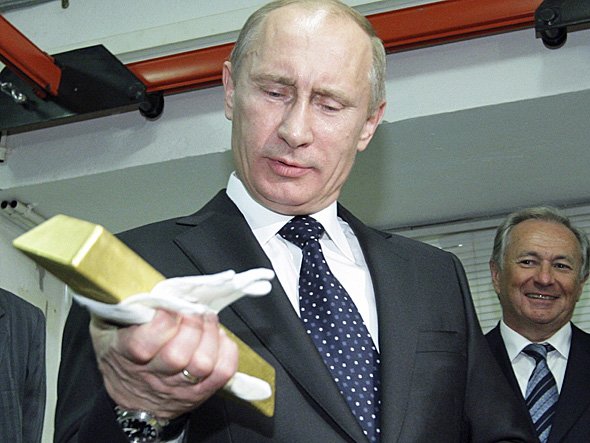
“Es un ataque en silencio contra la supremacía del dólar”, afirma el diario alemán Die Welt, en referencia al reciente aumento de reabastecimiento de sus reservas de oro de Rusia.
“Se trata de una declaración de independencia, proclamada en secreto”
“El presidente ruso, Vladimir Putin, está comprando grandes cantidades de oro de forma discreta”, señalando que en enero las reservas de oro de Rusia aumentaron en 20 toneladas métricas.
Ahora Rusia dispone de más de 1.392 toneladas de oro, según el portal de estadísticas Statista.
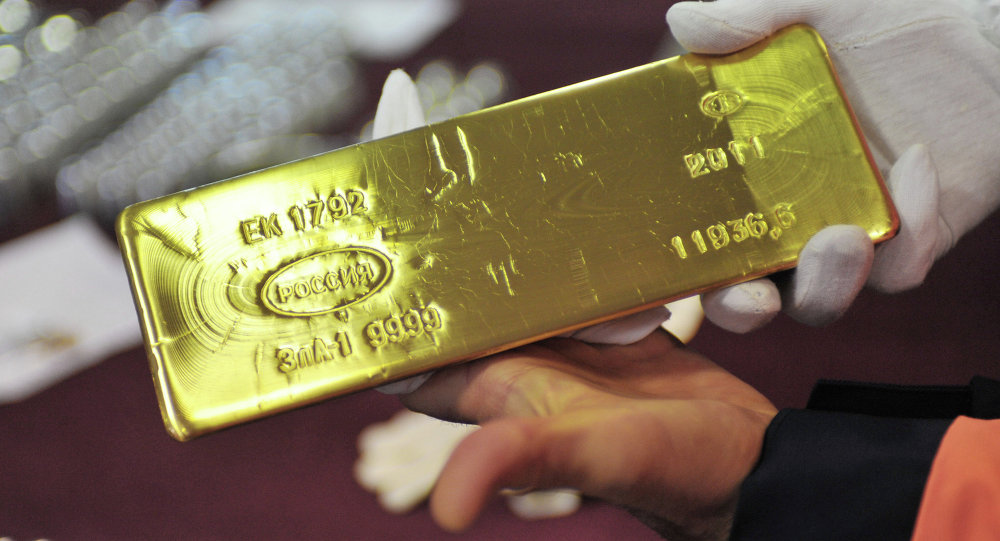
“Mientras que los políticos temen una nueva Guerra Fría entre Moscú y Occidente, ésta ya ha comenzado en el sector financiero”, informa el medio alemán.
También explica que no existen razones económicas evidentes para tal aumento, por lo tanto, podría ser también un ataque a la supremacía de las monedas de reserva de América y Europa.
“El que compra oro reduce el predominio de las monedas occidentales”, señala el periódico.
Desde 2005, las reservas de oro de Rusia se han casi cuadruplicado y en los últimos doce meses han crecido en más de 200 toneladas.
Ian Bremmer, científico político estadounidense especializado en política exterior estadounidense y presidente de Eurasia Group, una firma de consultoría e investigación de riesgo político, dijo al periódico que el dinero se utiliza a menudo como un arma financiera y, de hecho, Washington ha utilizado el dólar en el pasado para ejercer presión sobre Rusia.
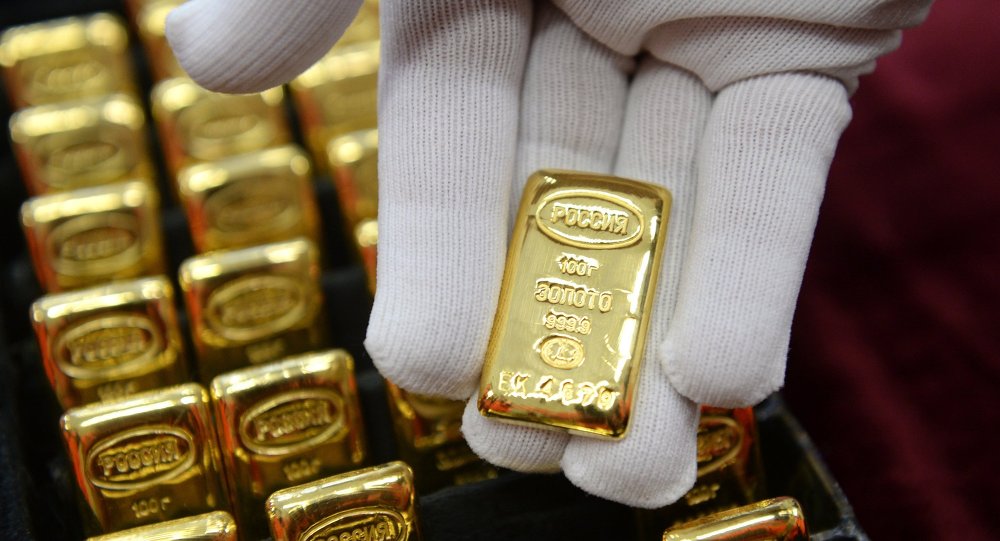
Por tanto, el jefe de Estado ruso al parecer, quiere evitar este tipo de dependencia en el futuro mediante el uso de las reservas de lingotes para cubrirse las espaldas contra las crisis.
El periódico también señala que sólo hay un país que esté comprando oro aún más activamente, y que es China.
Sus reservas ahora suman cerca de 1.600 toneladas (según Statista – 1,762,3) – que ocupa el quinto lugar a nivel mundial, después de los EE.UU., Alemania, Italia y Francia. Rusia ocupa el sexto lugar.
Al parecer, China también espera deshacerse del dominio de las monedas de reserva occidentales.
dos grandes temores de Arabia Saudita
WikiLeaks revela que Rusia y Assad son los dos grandes temores de Arabia Saudita
Un cable de la cancillería saudí aconsejó a su rey que ordenara a los medios no criticar a a los rusos para poder negociar con ellos su posición en Siria.
Un cable filtrado por WikiLeaks que ya se publicó el verano pasado, pero ha traducido recientemente al inglés el portal Global Research, ha revelado que los peores temores que tenía Arabia Saudita durante los primeros años de la guerra civil en Siria eran la intervención militar de Rusia y la resistencia siria.
Aunque esta comunicación no tiene fecha, Brad Hoff, el periodista especializado en Oriente Medio que ha publicado esta información, calcula que tiene que ser de principios de 2012, cuando Rusia comenzó a proponer de manera extraoficial el comienzo de las negociaciones de paz en Siria.
Tres razones por las que Arabia
En este documento, la Cancillería saudita sugería a su rey que iniciara "un diálogo profundo con Rusia sobre su posición sobre Siria" y aplicara "cualquier presión posible" para disuadir a Moscú "de su posición", que supondría intervenir para preservar el Gobierno sirio de Bashar al Assad.
Hoff destaca que la directriz que indicaba a los medios que no se opusieran y evitaran insultar a las personalidades rusas para no dañar "los intereses del Reino" confirma el temor saudí.
El Ministerio de Exteriores de Arabia Saudita agregó que "es posible que el nuevo presidente de Rusia" —probablemente se trate de Vladímir Putin, quien ejerce ese cargo desde mayo de 2012— cambiara la política de ese país "a mejor" y aconsejó a "Su Alteza" que invitara "al jefe del Comité para las Relaciones Internacionales de la Duma (la Cámara Baja del Parlamento ruso)".
““Si si su régimen era capaz de sobrevivir a la crisis, su objetivo principal sería vengarse de los países que se le opusieron”
”
El texto refleja que el segundo gran temor de Arabia Saudita era el Gobierno de Assad, al enfatizar que si su régimen era capaz de sobrevivir a la crisis, su objetivo principal sería vengarse de los países que se le opusieron, en una lista que encabezarían Arabia Saudita y otros países del golfo Pérsico.
En las semanas previas a la gran tregua para Siria que ha entrado en vigor este 27 de febrero, Arabia Saudita amenazó con desplegar tropas terrestres en ese país, con una retórica directa que podría reflejar su "desesperación" y el temor a que perdieran los grupos armados opositores a los que apoya, concluye Brad Hoff
domingo, 28 de febrero de 2016
Forget China! The Federal Reserve is the cause of the next Great Depression
the cause of the next Great Depression Fed is ...
Find out in this article why most international investors are wrong about the unleashing of a new major crisis and the advice of a former advisor to the Government of the United States to protect it. In recent weeksthe stock markets have suffered significant declines that have wiped billions of euros of investors around the world. at the time of the first great stock market crash in August, was accused China of being behind the stock market setback due to the devaluation of the Chinese yuan. Without But what most investors have chosen toignore is that the true cause of this fall in stock prices is the change in monetary policy by the Federal Reserve.Since the outbreak of the financial crisis of 2008, the central banks of States States, Japan and the Eurozone have carried out a monetary expansion totaling 6.5 trillion (US $ 6.500.000.000.000) , the equivalent to 5 times the size of the Spanish economy! This expansion balance sheets of central banks has led toa sharp increase in public debt, which has reached record highs in developed countries. Without going anyfurther, the Spanish public debt exceeds for the first time in history, one billion euros. the key the new Great Depression lies in the high debt and, more precisely, at the cost of financing. And it is precisely in the latter where the Federal Reserve has made what is probably considered the biggest mistake in the history of economics. With the announcement last December 16, the first rise in interest rates in the United States in nearly 10 years the Federal Reserve ended the era of low interest rates. the main result of rising interest rates is a higher cost of funding, which will hit businesses, families and governments with excessive debt and it is contagious to the rest of the system as in 2008. a former adviser to the US government holds the key "the question is not whether a collapse of the world monetary system will occur, but when"
la causante de la próxima Gran Depresión es... la FED
¡Olvídese de China! La Reserva Federal es la causante de la próxima Gran Depresión
Descubra en este artículo por qué la mayoría de los inversores internacionales están equivocados sobre el desencadenamiento de una nueva gran crisis y los consejos de un ex-asesor del Gobierno de los Estados Unidos para protegerse de ello.
Durante las últimas semanas los mercados bursátiles han sufrido importantes caídas que han hecho desaparecer miles de millones de euros de inversores de todo el mundo.
Cuando en agosto se produjo la primera gran caída de las bolsas, se acusó a China de estar detrás del varapalo bursátil debido a la devaluación del yuan chino. Sin embargo, lo que la mayoría de los inversores han preferido obviar es que el verdadero causante de esta caída de las bolsas es el cambio de la política monetaria de la Reserva Federal.
Desde el estallido de la crisis financiera de 2008, los bancos centrales de Estados Unidos, Japón y la Eurozona han llevado a cabo una expansión monetaria por un total de 6,5 billones de dólares (US$ 6.500.000.000.000), ¡el equivalente a 5 veces el tamaño de la economía española!
Esta expansión de los balances de los bancos centrales ha favorecido un fuerte aumento del endeudamiento público, que ha alcanzado máximos históricos en los países desarrollados. Sin ir más lejos, la deuda pública española supera, por primera vez en la historia, el billón de euros.
La clave de la nueva Gran Depresión reside en el alto endeudamiento y, más precisamente, en el coste de financiarlo. Y es precisamente en esto último donde la Reserva Federal ha cometido el que probablemente sea considerado el mayor error de la historia de la Economía.
Con el anuncio el pasado 16 de diciembre de la primera subida de tipos de interés en Estados Unidos en casi 10 años, la Reserva Federal dio por concluida la era de los tipos de interés bajos.
La principal consecuencia del incremento de los tipos de interés es un mayor coste de financiación, algo que golpeará a empresas, familias y gobiernos con una excesiva cantidad de deuda y que se contagiará al resto del sistema como en 2008.
Un ex-asesor del Gobierno estadounidense tiene la clave
“La cuestión no es si se producirá un colapso del sistema monetario mundial, sino cuándo”
afirma el ex-asesor del Gobierno de los Estados Unidos y ex-analista de la CIA Jim Rickards.
Aunque el colapso del sistema monetario mundial provocará una nueva crisis de escala mundial, Jim Rickards le resta importancia. “Cada 40 años aproximadamente se produce una caída del sistema monetario mundial, y la última vez que esto ocurrió fue en 1971, por lo que ya llevamos 5 años de retraso”.
Pero para Jim Rickards esto no es necesariamente una mala noticia. “Como en todas las crisis habrá ganadores y perdedores” afirma Rickards. “Lo que de verdad importa no es qué ocurra o por qué ocurra, si no posicionarse en el lado de los que ganan dinero como ocurre en todas y cada una de las crisis económicas de la historia de la humanidad”.
Aunque el colapso del sistema monetario mundial provocará una nueva crisis de escala mundial, Jim Rickards le resta importancia. “Cada 40 años aproximadamente se produce una caída del sistema monetario mundial, y la última vez que esto ocurrió fue en 1971, por lo que ya llevamos 5 años de retraso”.
Pero para Jim Rickards esto no es necesariamente una mala noticia. “Como en todas las crisis habrá ganadores y perdedores” afirma Rickards. “Lo que de verdad importa no es qué ocurra o por qué ocurra, si no posicionarse en el lado de los que ganan dinero como ocurre en todas y cada una de las crisis económicas de la historia de la humanidad”.
Arabia Saudita necesita dinero urgentemente
Tres razones por las que Arabia Saudita necesita dinero urgentemente
Incluso con un presupuesto recortado un 25%, Arabia Saudita tendría solo entre tres y cinco años en reservas y préstamos disponibles con el precio del petróleo actual de 30 dólares.
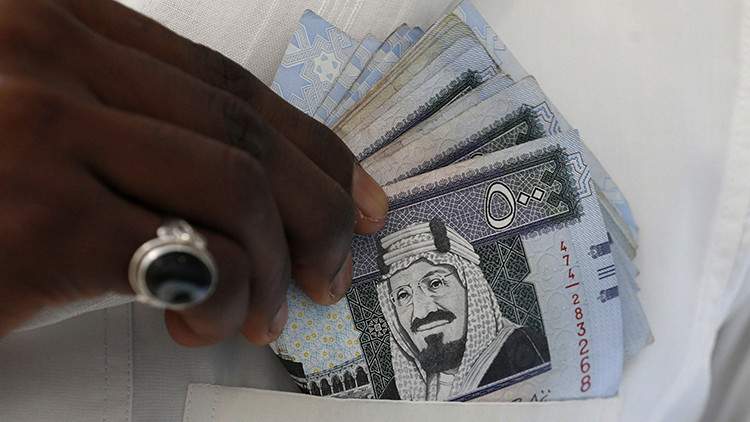
Faisal Al Nasser / Reuters
En enero de este año, Riad reveló que estaba estudiando la posibilidad de una oferta pública inicial para la compañía petrolera estatal Aramco. Independientemente de si este plan se lleva a la práctica o no, "lo que es de vital importancia es que fue tratado en público por el príncipe heredero de Arabia Saudita", escribe John Mauldin en su artículo publicado en 'Forbes'.
Aramco es la compañía más valiosa del mundo y también es una fuente importante del poder geopolítico ejercido por Arabia Saudita. Todo esto revela la situación "tan desesperada" a la que han empujado a este país "los precios récord del petróleo", señala el autor.
Al reino le quedan reservas de efectivo para 3 a 5 años
En 2015, Arabia Saudita registró un déficit del 21,6% del PIB, que contrasta mucho con el 3% del año anterior. Pese a que esperan reducirlo al 16% en 2016, el FMI prevé un déficit del 20%.
A lo largo de los últimos años, Riad ya ha gastado 100.000 millones de dólares en reservas, y un déficit de ese tamaño consumiría otros 100.000 millones, señala Mauldin. El problema con las estimaciones es que se basan en el precio medio del petróleo de 50 dólares, lo cual está lejos de la situación actual. Incluso con un recorte del presupuesto de un 25%, Arabia Saudita tendría solo entre tres y cinco años en reservas y préstamos disponibles con el precio del petróleo de 30 dólares, advierte el autor.
Riad necesita dinero para mantener unido al mundo árabe
Arabia Saudita ha estado gastando mucho dinero para mantener al mundo árabe que se encuentra en una crisis, escribe el autor, explicando que actualmente el país se enfrenta a dos desafíos principales: Irán y el Estado Islámico. En el primer caso, Arabia Saudita se ve como enemigo de Irán y, además de luchar en guerras indirectas, Riad apoya además a otros Estados árabes en crisis económica, como Baréin, Jordania, Marruecos o Egipto, que "intentan llevar una coalición sunita contra Irán".
En cuanto al EI, Arabia Saudita teme ataques de la organización terrorista y gasta grandes cantidades de dinero en el apoyo financiero a los rebeldes en Siria que luchan contra el EI.
Arabia Saudita se enfrenta a importantes desafíos internos
Actualmente, el gobierno saudita proporciona gratis los servicios sanitarios, la educación, y otorga subsidios para el agua y la luz, no cobra impuestos sobre la renta y ofrece pensiones públicas. Casi un 90% de los sauditas están contratados por el gobierno, y a menudo reciben salarios más altos que los que ofrece el sector privado.
Los apuros financieros que sufre el reino ahora no le permiten aumentar significativamente las cantidades de dinero que gasta en los grupos problemáticos como los disidentes, los chiitas reformistas o los yihadistas, señala Mauldin. Asimismo, los gastos financiados por el gobierno que mantienen unido al reino, también se han visto recortados, lo cual supone graves riesgos para la estabilidad social y económica en el país.
ex-nurse before the German courts
A Nazi ex-nurse appear before the German courts for crimes in Auschwitz
Hubert Zafke a former member of the SS 95 years old, will be tried in Germany on 29 February to weigh on the charge of having contributed to the mass murder of prisoners in the Auschwitz concentration camp, reports Reuters .
Prosecutors in the city of Schwerin argue that the ex-nurse, who came to Auschwitz in 1943, participated in the extermination in gas chambers more than 1.2 million people, mostly Jews.
exenfermero delante de la justicia alemana
Un exenfermero nazi comparecerá ante la justicia alemana por crímenes en Auschwitz
Hubert Zafke, un exmiembro de las SS de 95 años de edad, será juzgado en Alemania el 29 de febrero al pesar sobre él la acusación de haber contribuido al asesinato en masa de presos en el campo de concentración de Auschwitz, informa Reuters.
Los fiscales de la ciudad de Schwerin sostienen que el exenfermero, que llegó a Auschwitz en 1943, participó en el exterminio en cámaras de gas de más de 1,2 millones de personas, en su mayoría judíos.
BRIC will overtake the G7 in two decades
The rapid growth could turn the BRIC countries in economic and political powers.
The consisting of Brazil, Russia, India and China bloc, known by its acronym BRIC, will exceed two decades the richest economies in the world, says the British analyst who invented the concept of the new block in 2001.
according to the revised projections economist Jim O'Neill, director of area economic research at Goldman Sachs, China's economy will overtake the United States in the year 2027, putting the BRIC above the G7.
"it will come to that 10 years earlier than was thought when we started to discuss the issue , " O'Neill wrote in a recent commentary on the website of the investment bank.
the change projections British economist could happen even sooner, mainly due to growth in China, which has been much higher than expected by O'Neill when he drew the first stages over the past two years. This group aims to transfer power and money from the old developed into new countries emerging nations Riordan Roett, director of the Americas program at the University of Hopkins in the new projection, China and India will grow at an average of 5.2% and 6.3 %, respectively, between 2011 and 2050. in 2027, the year of the turn of course, China's economy would be placed at the top of the world 's economies, above the United States. "Only Brazil will need to grow more strongly "he said, referring to the projection of an average growth of 4.3% between 2011 and 2050. the outlook for Russia is more modest. 2.8% in the same period onstage is expected that the G7, by other hand, will have an average growth of only 1.6% between 2011 and 2050. the level of life Yet the trillions of extra dollars in the economies of emerging countries will not mean that these countries reach life patterns considered First World. O'Neill was the one who created the concept of the new block "BRIC" in 2001. Although together, the combined volume of GDP, have the potential to outperform the G7, the only country that could come close to levels of wealth in developed countries is Russia, said the analyst. the projections outlined by O'Neill in his 2001 study continue to receive criticism from several sides. Many question the artificial character of a concept that brings together such diverse countries in the political and social field and even in the same economic model.Others question the de facto exclusion of other emerging nations such as South Africa, Mexico and Turkey.Some point out that the BRIC countries only are benefiting from the real phenomenon of this century. China's emergence as an economic power China 's economy has the same size of the other three BRIC countries, and the gap tends to increase. New power the fact is that the concept gained strength and the BRIC is to become a dome of heads of state with the possibility of transforming the world power structure. Manmohan Singh, Dmitry Medvedev, Hu Jintao and Luiz Inacio Lula da Silva, during the meeting of G8 em Japan, in 2008 (Courtesy / Presidency gives Russia) ¿future global powers? That's the opinion of Riordan Roett, director of the Americas program University of Hopkins in Washington, who spoke to the BBC. "what we're seeing is the rise of a group of actors who, together, will have a leading role at various times, as they did in London, the meeting G20 , "said Roett. " This group points to a transfer of power and money from the old developed to the emerging nations countries. " According Roett, old intenacionales agreements established by the great powers, such as the Bretton Woods, which gave rise to the IMF and the World Bank in 1944, "they are dead".
Espanya-Catalunya un amor impossible
I us en anireu així?
Suso de Toro
27/02/2016 20:17
Fa uns dies vaig anar a acompanyar uns universitaris que van organitzar una tancada a la seva facultat en protesta perquè no tenien professors: aquest és el nostre temps, en el qual hem de reclamar el més elemental. Eren estudiants de magisteri i, abans de res, vaig voler parlar-los de Rosa Sensat.
Com que ignoro el que estudien o deixen d’estudiar i sóc desconfiat sobre com ha anat evolucionant tot i quines coses s’han anat perdent pel camí, acostumo a començar per l’origen. Vaig recordar que en el programa de l’antifranquisme hi anaven totes les utopies, i que una part era el somni d’una educació que formés persones lliures i realitzades, que unís l’acció amb la reflexió. I que això a Espanya havia sigut Rosa Sensat, Marta Mata i la difusió de la pedagogia de Jean Piaget, que s’havia irradiat des de Barcelona i Catalunya. Vaig voler recordar-los aquest horitzó utòpic perquè entreveig que va ser esborrat i sepultat per la tecnocràcia utilitarista en l’ensenyament.
I com que em dirigia a persones joves a les quals es nega coses elementals i a una generació envoltada d’un ambient de frustració i de falta d’esperança, els vaig dir que la desesperació és un error i que l’encert està en l’esperança. Però que havíem d’aprendre a fer viable l’esperança, tenir no només intel·ligència sinó també valor moral per analitzar primer i després actuar per aconseguir els nostres objectius. Els vaig dir que havíem d’aprendre dels catalans, de la seva capacitat per aconseguir objectius a través del pragmatisme, de donar forma al que s’ha imaginat. Fins i tot políticament. Per exemple, el pas del temps va demostrar que l’ostentació de testosterona del nacionalisme basc més radicalitzat, que va generar molt de dolor gratuït, era un camí cap a enlloc. En canvi, el compromís de la ciutadania catalana és capaç de tirar endavant una aposta per la sobirania d’envergadura històrica.
Encara vaig argumentar la dependència de Galícia, causada per la falta de classes dirigents i la consegüent escassetat de models per al progrés personal que no fossin a través de l’administració; per això exportem tants polítics, jutges, bisbes, militars i guàrdies civils. Vaig insistir en la fecunditat d’iniciatives professionals, empresarials i socials de la societat catalana. Així és com he vist sempre la societat catalana; amb curiositat i enveja vaig comprendre que era una mestra necessària per al meu país. Enveja de la seva fecunditat cultural, de l’arrelament cívic de la cultura democràtica, de la seva curiositat per les coses dels altres per imitar-les i incorporar-les, de la seva capacitat de supervivència com a país...
Però ara Catalunya està canviada i canviant: si era una societat madura en una Espanya immadura, ara s’està fent també madura políticament. Sens dubte, ha crescut. No sé com estaran les coses d’aquí un any o dos -al final ho decidirà la ciutadania catalana-, però dic que si passem a ser aliens els uns als altres serà una gran pèrdua per a moltes persones que seguiran dins de l’estat espanyol. Encara que ara no ho comprenguin a causa de la ignorància o els prejudicis.
Si no tenim a mà la societat catalana, com es podrà assenyalar als joves algun model de societat que generi iniciatives i que creï futurs?
És evident que Espanya és un fracàs com a projecte col·lectiu: la seva ideologia nacionalista és la seva pròpia desgràcia. Espanya és un país patètic, incapaç de reconèixer dins seu altres llengües que no siguin el castellà i que es presenta a Eurovisió cantant en anglès. I és evident que l’estat espanyol ja va fracassar en la seva remodelació després del règim: la prova és el procés polític català. És evident també que Espanya es va fer contra Catalunya principalment i que va ignorar qualsevol aportació catalana o la va desfigurar per assimilar-la. Però la societat catalana va ser incapaç en les dècades d’autonomia, tancada des de fora però assumit també des de dins el model d’un “país petit” però confortable, de reclamar davant els espanyols el que és seu.
No sé si els catalans se n’aniran, però em semblarà un gran fracàs que se’n vagin sense fer un balanç del que s’ha viscut en comú, tot i que aquesta vida en comú no hagi estat en unes condicions dignes. No serà satisfactori per als catalans anar-se’n sense que se’ls reconegui el que van aportar i serà una gran pèrdua que els espanyols ho ignorin; ni tan sols sabran el que perden i el que els falta. Si se’n van, que no sigui “a la catalana”.
El BRIC superará al G7 en dos décadas"
El crecimiento acelerado podría convertir a los países del BRIC en potencias económicas y políticas.
El bloque integrado por Brasil, Rusia, India y China, conocido por sus siglas BRIC, va a rebasar en dos décadas a las economías más ricas del planeta, señala el analista británico que inventó el concepto del nuevo bloque en 2001.
De acuerdo con las proyecciones revisadas del economista Jim O'Neill, director del área de investigación económica de Goldman Sachs, la economía de China va a superar a la de Estados Unidos en el año 2027, poniendo al BRIC por encima del G7.
"Se llegará a eso 10 años antes de lo que se pensaba cuando empezamos a analizar el tema", escribió O'Neill en un comentario reciente en el sitio de internet del banco de inversiones.
El cambio en las proyecciones del economista británico podría ocurrir incluso más pronto, principalmente, debido al crecimiento de China, que durante los últimos dos años ha sido muy superior a lo esperado por O'Neill cuando trazó los primeros escenarios.
Este grupo apunta a una transferencia de poder y de dinero de los viejos países desarrollados hacia las nuevas naciones emergentes
Riordan Roett, director del programa de las Américas de la Universidad de Hopkins
En la nueva proyección, China e India crecerán en una media de 5,2% y 6,3%, respectivamente, entre 2011 y 2050.
En 2027, el supuesto año del viraje, la economía de China se colocaría en el primer lugar de las economías del planeta, por encima de Estados Unidos.
"Sólo Brasil va a necesitar crecer con más fuerza", destacó, al referirse a la proyección de un crecimiento medio de 4,3% entre 2011 y 2050.
La expectativa para Rusia es más modesta: 2,8% en el mismo lapso.
En el escenario se prevé que el G7, por otro lado, tendrá un crecimiento medio de sólo 1,6% entre 2011 y 2050.
El nivel del vida
Con todo, los trillones de dólares extra en las economías de los países emergentes no van a significar que esos países alcancen los patrones de vida considerados de Primer Mundo.
O'Neill fue quien creó el concepto del nuevo bloque "BRIC" en 2001.
A pesar de que juntos, por el volumen combinado del PIB, tienen el potencial de superar al G7, el único país que podría llegar cerca de los niveles de riqueza de los países desarrollados es Rusia, advirtió el analista.
Las proyecciones trazadas por O'Neill en sus estudio de 2001 continúan recibiendo críticas de varios lados. Muchos cuestionan el caracter artificial de un concepto que aglutina a países tan distintos en el campo político y social y hasta en el mismo modelo económico. Otros cuestionan la exclusión de hecho de otras naciones emergentes como Sudáfrica, México y Turquía.
Hay quienes destacan que los países del BRIC sólo se están beneficiando del verdadero fenómeno de este siglo: la emergencia de China como potencia económica.
La economía china tiene el mismo tamaño de los otros tres países del BRIC, y la brecha tiende a aumentar.
Nuevo poder
El hecho es que el concepto ganó fuerza y el BRIC está por convertirse en una cúpula de jefes de Estado con posibilidad de transformar la estructura de poder mundial.
Manmohan Singh, Dmitry Medvedev, Hu Jintao y Luiz Inácio Lula da Silva, durante el encuentro del G8 em Japón, en 2008 (Cortesia/Presidencia da Rusia)
¿Futuras potencias mundiales?
Esa es la opinión de Riordan Roett, director del programa de las Américas de la Universidad de Hopkins, en Washington, quien habló con la BBC.
"Lo que estamos viendo es el ascenso de un grupo de actores que, en conjunto, tendrán un papel protagónico en diversos momentos, como lo hicieron en Londres, en la reunión del G20", comentó Roett.
"Este grupo apunta a una transferencia de poder y de dinero de los viejos países desarrollados hacia las nuevas naciones emergentes".
Según Roett, los viejos acuerdos intenacionales establecidos por las grandes potencias, como el de Bretton Woods, que dio origen al FMI y al Banco Mundial, en 1944, "están muertos".
mal comienzo...
La ciudad de Buenos Aires amaneció movida este miércoles, cuando miles de manifestantes interrumpieron el tránsito en el cruce de las Avenidas Corrientes y Callao, en pleno centro porteño. La protesta comenzó muy temprano con los trabajadores del metro de Buenos Aires, que cortaron la calle contra los despidos a las 5h de la madrugada.
En varias provincias del país, como Santa Fe, Mendoza, Córdoba, Tucumán, Salta y Neuquén, hubo movilizaciones donde confluyeron funcionarios estatales, docentes, organismos de derechos humanos y partidos de izquierda. La jornada culminó por la tarde con una masiva movilización hacia la Plaza de Mayo con más de 20.000 personas a pesar del intenso calor.
La huelga general de funcionarios públicos agrupados en la Asociación de Trabajadores del Estado (ATE), apoyada por organizaciones sociales y de la izquierda, ha sido el primer desafío en las calles para el Gobierno de Mauricio Macri.
Desde que asumió el nuevo Gobierno en diciembre pasado, más de 20.000 trabajadores públicos han sido despedidos. El presidente argentino, alineado con la “nueva derecha” latinoamericana, ha anunciado una “modernización del Estado” que implicará más ajustes, cierre de organismos estatales y privatizaciones.
Las federaciones sindicales mayoritarias, divididas en varias ramas de la histórica CGT, mantienen una tregua con el gobierno y no han apoyado la huelga
Las federaciones sindicales mayoritarias en el sector privado (industrias, transporte, bancos), divididas en varias ramas de la histórica CGT, mantienen una tregua con el gobierno y no han apoyado la huelga. Desde la Izquierda y las organizaciones sindicales antiburocráticas, en cambio, participaron de las manifestaciones exigiendo un plan de lucha para “organizar la protesta de los trabajadores, las mujeres y la juventud”.
"Mientras aplican un ajuste sobre los trabajadores con devaluación, tarifazos y paritarias a la baja, el Gobierno quiere avanzar en su política represiva. Este protocolo habilita a las fuerzas de seguridad a reprimir sin orden judicial", sostuvo la diputada del Frente de Izquierda, Myriam Bregman.
Macri ya tiene su propia “Ley mordaza”
El gabinete de ministros ha aprobado este mes el “Protocolo de actuación de las Fuerzas de Seguridad del Estado en manifestaciones públicas", que agrava la criminalización de la protesta y la represión. Organismos de derechos humanos y organizaciones de izquierda lo rechazan y llaman a movilizarse.
El premio Nobel de la Paz Adolfo Pérez Esquivel, las Abuelas de Plaza de Mayo, Nora Cortiñas y Mirta Baravalle de Madres de Plaza de Mayo Línea Fundadora, junto a centenares de organizaciones, personalidades del arte y la cultura, delegados del movimiento sindical antiburocrático y organizaciones de izquierda han sumado su firma a una petición impulsada por el Centro de Profesionales por los Derechos Humanos para rechazar el nuevo protocolo “antiprotesta” del Gobierno argentino.
El documento unitario denuncia que el protocolo otorga “un poder ilimitado a las fuerzas de seguridad dejándoles la potestad de definir qué protestas permiten y cuáles no”. El Gobierno argentino busca prohibir especialmente los “piquetes”, como se conoce a los cortes de calle o avenidas como medida de protesta. Este es un método de lucha que se ha generalizado en la Argentina desde la crisis social del 2001.
Otro punto muy cuestionado del protocolo es el artículo 3 que determina que "la participación de los medios de comunicación se organizará de modo tal que, los periodistas, comunicadores y los miembros de sus equipos de trabajo desarrollen su labor informativa en una zona de ubicación determinada, donde se garantice la protección de su integridad física, y no interfieran con el procedimiento".
La "ley mordaza" de Macri "garantiza la impunidad para los agentes de seguridad que violen los derechos humanos de los manifestantes"
Diversos medios han señalado que esto constituye un ataque a la libertad de información, ya que las fuerzas del orden determinarán dónde pueden hacer su trabajo los periodistas. El Sindicato de Prensa de Buenos Aires (Sipreba) aprobó en asamblea general un comunicado donde señala que “el nuevo protocolo es un grave atentado a la libertad de prensa”. La Red de Carreras de Comunicación Social de la República Argentina también repudió el protocolo, asegurando que criminaliza las protestas sociales y extiende las facultades policiales para reprimir –habilitando las detenciones arbitrarias y sin prohibir el uso de armas de fuego–.
“La prescripción de una ‘zona de ubicación determinada’ para los trabajadores de la comunicación implica un condicionamiento de la línea editorial de los medios y garantiza la impunidad para los agentes de seguridad que violen los derechos humanos de los manifestantes”, asegura la Red en su comunicado.
El protocolo “antiprotesta” tiene muchas similitudes con la “Ley mordaza” española, criminalizando la protesta y atacando la libertad de información. Ambas legislaciones son parte de una tendencia global a recortar las libertades y el derecho a la protesta, mientras se aplican ajustes y despidos. La nueva ministra de Seguridad argentina, Patricia Bullrich, había amenazado con aplicar el nuevo protocolo este miércoles, prohibiendo los cortes de tránsito. Pero no lo consiguió, las calles fueron ocupadas por los manifestantes.
En varias provincias del país, como Santa Fe, Mendoza, Córdoba, Tucumán, Salta y Neuquén, hubo movilizaciones donde confluyeron funcionarios estatales, docentes, organismos de derechos humanos y partidos de izquierda. La jornada culminó por la tarde con una masiva movilización hacia la Plaza de Mayo con más de 20.000 personas a pesar del intenso calor.
La huelga general de funcionarios públicos agrupados en la Asociación de Trabajadores del Estado (ATE), apoyada por organizaciones sociales y de la izquierda, ha sido el primer desafío en las calles para el Gobierno de Mauricio Macri.
Desde que asumió el nuevo Gobierno en diciembre pasado, más de 20.000 trabajadores públicos han sido despedidos. El presidente argentino, alineado con la “nueva derecha” latinoamericana, ha anunciado una “modernización del Estado” que implicará más ajustes, cierre de organismos estatales y privatizaciones.
Las federaciones sindicales mayoritarias, divididas en varias ramas de la histórica CGT, mantienen una tregua con el gobierno y no han apoyado la huelga
Las federaciones sindicales mayoritarias en el sector privado (industrias, transporte, bancos), divididas en varias ramas de la histórica CGT, mantienen una tregua con el gobierno y no han apoyado la huelga. Desde la Izquierda y las organizaciones sindicales antiburocráticas, en cambio, participaron de las manifestaciones exigiendo un plan de lucha para “organizar la protesta de los trabajadores, las mujeres y la juventud”.
"Mientras aplican un ajuste sobre los trabajadores con devaluación, tarifazos y paritarias a la baja, el Gobierno quiere avanzar en su política represiva. Este protocolo habilita a las fuerzas de seguridad a reprimir sin orden judicial", sostuvo la diputada del Frente de Izquierda, Myriam Bregman.
Macri ya tiene su propia “Ley mordaza”
El gabinete de ministros ha aprobado este mes el “Protocolo de actuación de las Fuerzas de Seguridad del Estado en manifestaciones públicas", que agrava la criminalización de la protesta y la represión. Organismos de derechos humanos y organizaciones de izquierda lo rechazan y llaman a movilizarse.
El premio Nobel de la Paz Adolfo Pérez Esquivel, las Abuelas de Plaza de Mayo, Nora Cortiñas y Mirta Baravalle de Madres de Plaza de Mayo Línea Fundadora, junto a centenares de organizaciones, personalidades del arte y la cultura, delegados del movimiento sindical antiburocrático y organizaciones de izquierda han sumado su firma a una petición impulsada por el Centro de Profesionales por los Derechos Humanos para rechazar el nuevo protocolo “antiprotesta” del Gobierno argentino.
El documento unitario denuncia que el protocolo otorga “un poder ilimitado a las fuerzas de seguridad dejándoles la potestad de definir qué protestas permiten y cuáles no”. El Gobierno argentino busca prohibir especialmente los “piquetes”, como se conoce a los cortes de calle o avenidas como medida de protesta. Este es un método de lucha que se ha generalizado en la Argentina desde la crisis social del 2001.
Otro punto muy cuestionado del protocolo es el artículo 3 que determina que "la participación de los medios de comunicación se organizará de modo tal que, los periodistas, comunicadores y los miembros de sus equipos de trabajo desarrollen su labor informativa en una zona de ubicación determinada, donde se garantice la protección de su integridad física, y no interfieran con el procedimiento".
La "ley mordaza" de Macri "garantiza la impunidad para los agentes de seguridad que violen los derechos humanos de los manifestantes"
Diversos medios han señalado que esto constituye un ataque a la libertad de información, ya que las fuerzas del orden determinarán dónde pueden hacer su trabajo los periodistas. El Sindicato de Prensa de Buenos Aires (Sipreba) aprobó en asamblea general un comunicado donde señala que “el nuevo protocolo es un grave atentado a la libertad de prensa”. La Red de Carreras de Comunicación Social de la República Argentina también repudió el protocolo, asegurando que criminaliza las protestas sociales y extiende las facultades policiales para reprimir –habilitando las detenciones arbitrarias y sin prohibir el uso de armas de fuego–.
“La prescripción de una ‘zona de ubicación determinada’ para los trabajadores de la comunicación implica un condicionamiento de la línea editorial de los medios y garantiza la impunidad para los agentes de seguridad que violen los derechos humanos de los manifestantes”, asegura la Red en su comunicado.
El protocolo “antiprotesta” tiene muchas similitudes con la “Ley mordaza” española, criminalizando la protesta y atacando la libertad de información. Ambas legislaciones son parte de una tendencia global a recortar las libertades y el derecho a la protesta, mientras se aplican ajustes y despidos. La nueva ministra de Seguridad argentina, Patricia Bullrich, había amenazado con aplicar el nuevo protocolo este miércoles, prohibiendo los cortes de tránsito. Pero no lo consiguió, las calles fueron ocupadas por los manifestantes.
Suscribirse a:
Entradas (Atom)
Entrada destacada
PROYECTO EVACUACIÓN MUNDIAL POR EL COMANDO ASHTAR
SOY IBA OLODUMARE, CONOCIDO POR VOSOTROS COMO VUESTRO DIOS Os digo hijos míos que el final de estos tiempos se aproximan. Ningú...
-
FASE FINAL DE LA ASCENSION: PRIMER CREADOR LES HABLA, ME LLAMAN CON DIFERENTES NOMBRES,PADRE CREADOR,FUENTE Y DIOS Y EN ESTE AQUI Y AHORA V...
-
Transmisión Anunnaki: Evaluación de Experimento Terrestre - Ciclo 3600, Año 2025 DC ## 𒀭𒀀𒉡𒌦𒋾 (AN-A-NU-NA-KI): PRELUDIO DE OBSERVACIÓN ...
-
 SOY IBA OLODUMARE, CONOCIDO POR VOSOTROS COMO VUESTRO DIOS Os digo hijos míos que el final de estos tiempos se aproximan. Ningú...