google.com, pub-5827770858464401, DIRECT, f08c47fec0942fa0 Misteri1963 : 03/27/16

Translate

domingo, 27 de marzo de 2016

¿cómo hace Google para ganar tanto dinero?


En gráficos: ¿cómo hace Google para ganar tanto dinero?


Image copyrightGETTYImage captionCuando lo usamos es gratis entonces ¿cómo hace para amasar tal fortuna?

En febrero de 2016, Google sobrepasó brevemente a Apple para convertirse en la compañía más valiosa del mundo, al alcanzar un valor de más de US$500.000 millones.

Sólo en 2015, Google tuvo ingresos de US$75.000 millones. Eso es alrededor de US$2,400 por segundo.

Sin embargo, su servicio principal -búsqueda- es gratis.

Entonces, ¿cómo produce todo ese dinero?
Google en númerosImage captionFuente: Informe anual de Google de 2015 (presentado a US Securities and Exchange Commission)
La búsqueda de ganancias

Desde su lanzamiento en 1998, Google ha crecido enormemente en términos de sus ingresos y su creciente cartera de productos.Image captionIngresos de Google por año en miles de millones de dólares. (Imagen cortesía de Getty Images).
En 2004, lanzó su servicio de correo electrónico.
En 2005, hizo de la cartografía digital algo de todos.
En 2006, compró YouTube por US$1.650 millones.
En 2008, lanzó su buscador Chrome así como Android, un sistema operativo para celulares.
En 2012, lanzó GooglePlay, su tienda de aplicaciones.
El don de la palabra

Google hace que la mayor parte de su dinero con la venta de las oportunidades de publicidad en las páginas de búsqueda que muchos de nosotros utilizamos.

Los anunciantes pujan para que la publicidad de sus productos o servicios aparezcan en las páginas de resultados de consultas de búsqueda relevantes.

Una combinación del tamaño de la oferta y la calidad de un potencial anuncio influye en la posición en la que aparecerá: la más codiciada, por supuesto, es la parte superior de la página, donde más usuarios pueden verlo.

Con el fin de fomentar prácticas de licitación eficientes, Google utiliza un sistema de subasta Vickrey. Los postores no conocen las ofertas de sus rivales. Cuando todas las ofertas llegan, gana el mejor postor, pero en realidad paga el precio que mandó el segundo mejor postor.

Pero ahí no termina.

Google también tiene en cuenta la relevancia de la página de destino del anunciante a la consulta de búsqueda.

Por ejemplo, si un anunciante tiene una página de sólo seguros de automóviles, tendría que hacer una oferta menor para aparecer arriba de los resultados de publicidad de pago cuando un usuario googlea "seguro de automóvil" que un anunciante que tiene una página sobre seguros en general. Google llama a esto "nivel de calidad".
Cobrando por cada clic

La atracción del servicio para los anunciantes es que pueden dirigir la publicidad a los usuarios de Google que ya han expresado su interés en lo que vende el anunciante y hacer caso omiso de los que no.

Esto se conoce como la publicidad contextual.

Por otra parte, los anunciantes sólo tienen que pagarle a Google después de que alguien realmente haya hecho clic en uno de los anuncios y pueden establecer presupuestos para limitar su gasto mensual.Image copyrightTHINKSTOCKImage captionCada clic le cuesta algo al anunciante pero si no hay ninguno, no paga.

Adwords, publicado en 2000, sigue siendo la principal fuente de ingresos de Google.

No obstante, Google también hace dinero con publicidad incluso cuando no estás en uno de sus sitios.

Su red de Adsense coloca anuncios en los sitios asociados –desde blogs hasta los principales productores de contenido– y el gigante de las búsquedas se queda con una parte de los ingresos.

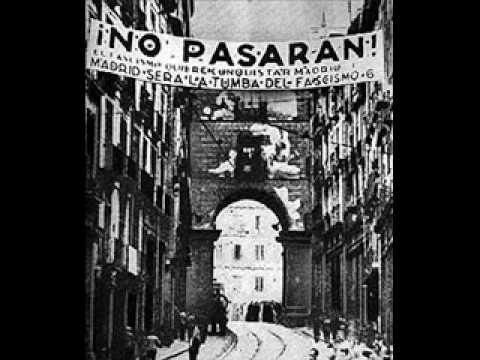
¿Quién financió la Guerra Civil?

El empresario y economista José Ángel Sánchez Asiain analiza en la obra 'La financiación de la guerra civil española', ganadora del Premio Nacional de Historia de España, el sistema financiero del gobierno de la república y la de los sublevados con Franco


ALEJANDRO TORRÚS
Antes incluso de comenzar la descripción del sistema financiero de la República española y del ejército de Franco, señalado en la obra como Gobierno de Burgos, José Ángel Sánchez Asiain, autor de la obra La financiación de la guerra civil española (Editorial Crítica), ganadora del Premio Nacional de Historia de España, hace la siguiente reflexión: la Guerra Civil la pagaron los ahorros y el sufrimiento de los ciudadanos del Estado español.


"La República pagó el coste del la Guerra Civil con cargo al ahorro que los españoles habían acumulado en el pasado, y el Gobierno de Burgos lo financió con el ahorro futuro. Con lo que los españoles se iban a ver obligados a dejar de consumir en los años sucesivos para satisfacer esa deuda de guerra", escribe el autor.
A partir de ahí, la obra realiza un análisis pormenorizado de las ayudas financieras que recibió cada uno de los contendientes, el sistema financiero de los dos territorios, el comportamiento de la banca y las cajas de ahorro, la financiación exterior, y los diferentes sistemas de captación de fondos de ambos bandos en sus respectivas sociedades.
El presente artículo, dada la extensión del análisis de la obra de Sánchez Asiain, se limita a recoger los nombres, entidades financieros o países que prestaron dinero al Gobierno republicano o a los sublevados, sin entrar en los métodos de recaudación en el interior mediante suscripciones e incautaciones o responsabilidades políticas por daños de guerra.
Una de las principales conclusiones que se pueden obtener de la detenida lectura de la obra en los mencionados aspectos es que, por una parte, prácticamente nadie, salvo la URSS y de una manera muy discreta Francia, comerció con la República española ya sea por miedo al comunismo o a sus aliados nazi-fascistas.
Y, por otro lado, que el golpe de Estado que provocó la Guerra Civil y que tuvo su única justificación en la consigna de "salvar España" estuvo financiado prácticamente en su integridad por capital extranjero que impuso altos intereses. Curiosa manera de salvaguardar los intereses de España.
La financiación y ayuda monetaria y bélica que reciben los primeros conspiradores, después golpistas y, finalmente, ejército de Franco en la Guerra Civil debe ser analizada en tres fases:
la primera arrancaría el mismo 14 de abril de 1931, fecha de la proclamación de la II República; la segunda sería la preparación del golpe de Estado del 18 de julio de 1936 hasta noviembre de 1936 cuando Franco renuncia a intentar tomar Madrid y, por último, la financiación de los tres años de Guerra Civil.
La conspiración para poner fin a la República había comenzado, de hecho, el mismo 14 de abril cuando un reducido grupo de "personajes significativos" se reunió en casa del conde de Guadalhorce (Rafael Benjumea, miembro del directorio civil de Primo Rivera y presidente de Renfe durante la dictadura de Franco) para derrocar "por todos los medios" a la nueva República.
Carlistas y monárquicos comenzaron a perfilar el bloque y los socios exteriores necesarios para la sublevación del 18 de julio.
Como apunte sirve introducir que en 1932, los monárquicos ya habían conseguido 20 millones de pesetas para la causa visitando a españoles residentes en Francia.
Sin embargo, no sería hasta marzo de 1936 cuando se comenzara a concretar la sublevación. Se formalizó en casa del agente de cambio y bolsa y diputado de la CEDA José Delgado, y su objetivo no era otro que organizar un "movimiento militar destinado a preservar al país de la ruina y del desmembramiento". "La operación se hacía en nombre de España, con exclusión de toda otra etiqueta", escribe el autor.
En aquella reunión, según apuntó el historiador Jellinek, había asegurado a los generales asistentes que el Vaticano reconocería inmediatamente la sublevación, y apenas podía haber dudas de que así lo harían Alemania, Italia y Portugal.


Las primeras ayudas, por tanto, al golpe de Estado militar del 18 de julio de 1936 vendrían de tres fuentes fundamentales:
Navarra, Juan March y Portugal, sin contar con la inestimable ayuda de Italia, Alemania y diferentes bancos, que se analizará más adelante.
"Cada día parece más claro que sin esas tres fuentes de financiación, la sublevación no hubiera triunfado de ninguna manera y se hubiera desmoronado en pocas semanas", agrega Sánchez.
Juan March.
El banquero y contrabandista Juan March, cuya familia sigue disponiendo de una amplia fortuna, era el hombre más rico e influyente de la España de 1936 y no tuvo ningún reparo en financiar todo tipo de acciones para socavar la República.
Primero alentando la "conspiración" luego facilitando medios para que la rebelión fuera una realidad en 1936, y posteriormente, siendo generoso con su dinero, especialmente en los primeros momentos, a la hora de financiar la compra de todo tipo de material de guerra.

Hoy día es todavía imposible cuantificar cuánto dinero puso March a disposición de los militares sublevados. Las cifras de historiadores y periodistas han oscilado entre los mil millones de pesetas a 15 millones de libras esterlinas más la financiación de buena parte de la intervención italiana en Mallorca.

De cualquier modo, sí está claro que ya March en los primeros días del golpe de Estado puso a disposición del general Mola 600 millones de pesetas de la época a través de una cartera de Valores.
Así, tampoco dudó en financiación el alquiler del avión inglés que llevó a Franco de Canarias a Marruecos y en avalar cuantos créditos fueran necesarios para la causa franquista, no sin establecer unos intereses beneficiosos para él y sus socios.

El banquero, asegura la obra, también se ocupó de dar solución a una cuestión de tanta importancia para un conflicto militar como el suministro y financiación del petróleo que utilizó el llamado 'Gobierno de Burgos'.
March ofreció las garantías suficientes a la empresa norteamericana Texaco para financiar los primeros envíos de petróleo a los sublevados, que dejaron de suministrar petróleo a la República, a pesar de los acuerdos firmados por ésta. El autor, además, añade: "No está documentado pero parece también claro que España recibió petróleo de Portugal siendo también March el financiador de esas compras"

El dinero de Juan March también sirvió para sufragar las escuálidas arcas de Falange.
El propio José Antonio Primo Rivera había afirmado en 1934 que "uno de los primeros actos del Gobierno de la Falange será colgar al multimillonario contrabandista Juan March". Sin embargo, 1936 el dinero de March ya fluía en las arcas revolucionarias de los falangistas, primero a disgusto de José Antonio y después con su aprobación.

Portugal.
"La ayuda del Gobierno de Portugal a la sublevación fue realmente importante y generosa. Aunque dada, la limitación de recursos que Portugal disponía, esa ayuda fue, en su volumen y regularidad, muy inferior a la ayuda prestada por italianos y alemanes", escribe el autor.
No obstante, la ayuda de Portugal, ya en manos de Salazar, fue "muy oportuna y notablemente eficaz". Especialmente durante las críticas primeras semanas.

El gobierno portugués puso a disposición de los militares golpistas todo tipo de recursos financieros, créditos por parte de bancos portugueses, pero también una amplia protección política y diplomática. "Así, queda constancia de que en 1937 y desde el Banco Espíritu Santo de Lisboa, se comunicaba a 37 representantes diplomáticos españoles que les remitían unas determinadas cantidades económicas".

También ayudó Portugal en el suministro de armas al bando rebelde. Portugal se convirtió de hecho en el receptor formal de armas por cuenta de Franco.
"De tal manera que Portugal salió de la insignificancia como consumidor de armamento, para ocupar en la lista de clientes de la industria bélica alemana el tercer lugar mundial y el primer europeo", explica. Asimismo, la ayuda portuguesa fue también muy importante en cuanto al suministro de infraestructuras y servicios.
El territorio portugués se convirtió en la retaguardia de apoyo logístico ya que servía de comunicación de la zona en manos de los militares golpistas, que había quedado partida en dos tras el fallido golpe de Estado.

Navarra. En 1936, Navarra gozaba de un régimen foral que otorgaba a la Diputación Foral el control económico y fiscal de ese territorio. A partir de esa especial situación de su Hacienda Pública, la Diputación Foral de Navarra mantuvo una "importante, generosa y constante ayuda institucional a los sublevados".
Sirve como ejemplo que solamente tres días después del golpe de Estado la Dipuación Foral ya había hecho un llamamiento a los navarros aplaudiendo "su patriotismo al sumarse a la causa del movimiento salvador en defensa de la religión, la paz material y nuestras libertades forales", tomando medidas inmediatas para "el buen funcionamiento de la sociedad navarra al servicio de la guerra".
El 24 de julio, el general Mola dio orden a la Diputación para que le habilitara un crédito por dos millones de pesetas para hacer frente a los gastos originados por "el movimiento emprendido para salvar España", crédito que posteriormente sería liquidado sin ser abonado.
Así, la Diputación también llamó a todos aquellos que "disfrutaban de una posición económica desahogada" a realizar una contribución a la causa.
En suma, todos los impuestos de guerra que creó la Diputación de Navarra sirvieron para recaudar 13.942.813 pesetas que fueron puestos a disposición de la "causa nacional".
Este dinero sirvió para, entre otras cosas, adquirir aviones para la defensa de Pamplona, cancelar el crédito a Mola, poner un coche blindado a disposición de Franco, motocicletas para el general Varela, una pensión de 1.840 pesetas a las hijas de Mola para gastos educativos o el pago de la factura de 4.700 pesetas presentada por el Colegio de Arquitectos vasco-navarro por confección del proyecto del chalet para la viuda del General Mola.
Los carlistas. Otra importante fuente de financiación de la sublevación fueron los donativos que hizo un grupo muy selecto de carlistas, económicamente bien situados, entre los que pueden citarse Joaquín Baleztena, Miguel María Zozaya y Fernando Contreras.
Pero lo que constituyó una excepcional fuente de financiación, explica el autor, fue el sistema regular de cuotas que los carlistas tenían establecidos desde 1934, de acuerdo con el cual todos los afiliados debían pagar al "Tesoro de la Tradición" una suma, "por lo menos igual a la pagada en imposición directa al Estado".

Francesc Cambó. El político catalán, cofundador y líder de la Liga Regionalista, descrito por Romanones como "el mejor político del siglo XX", ayudó a recaudar en el extranjero 410 millones de pesetas para financiar la sublevación de los militares golpistas.
Asimismo, avaló o ayudó a conseguir créditos que pudieron ascender a 35 millones de dólares.
Aportaciones judías. A pesar de las amenazantes frases lanzadas por Radio Sevilla por Queipo de Llano, las grandes familias judías de Melilla "destinaron cuantiosas sumas de dinero a la causa rebelde".
Franco, que estaba gestionando créditos con la banca judía de Tetuán y Tánger, se vio obligado a desautorizar las emisiones de Mola y el 15 de agosto de 1936 dirigió una carta al Consejo Comunal Israelita de Tetuán pidiéndoles que no prestarán atención alguna a las emisiones antisemitas.

Italia.
El autor argumenta que hay dos tipos de razones que justifican la ayuda de Mussolini a España con la intensidad con la que lo hizo.
Unas son razones de tipo político y económico, y se refieren a la necesidad que el Gobierno italiano tenía que dominar como fuera el Mediterráneo y, en todo caso, impedir su bloqueo mediante un pacto hispano-francés.
Las otras se refieren a la creencia de Mussolini de que su misión en la Historia era luchar contra el comunismo. "En todo caso, también influyó el hecho de que España ofrecía un buen campo de experimentación para el nuevo armamento", añade el autor.
Más allá de la cuantiosa ayuda militar que Italia destinó a España en forma de aviones Savoia y cazas Fiat, armas y militares de las que, especialmente el historiador Viñas ha dado buena cuenta, cabe destacar la ayuda financiera como es objeto de este artículo y de la investigación de García.
En este sentido, y una vez acabada la guerra, representantes italianos y españoles, valoraron que el total del crédito que Italia había puesto a disposición de los golpistas ascendía a 6.926 millones de liras.
No obstante, el Gobierno italiano, mucho más generoso que el alemán, propuso fijar en 5.000 millones de liras la deuda total del Gobierno español por suministro de material de guerra de todas clases y diferentes gastos hechos hasta el 31 de diciembre de 1939. El resto quedaba condonado. Este acuerdo fue firmado el 8 de mayo de 1940.
Alemania.
El proceso oficial de petición de ayuda de los sublevados a Alemania comenzó el 21 de julio de 1936, cuando Franco, tratando de llegar a Hitler de la forma más directa posible y rápida, recibió a Johannes Bernhard, del que se sabía que estaba en condiciones de contactar con facilidad, y sin trámites administrativos, con el propio Hitler.

Cuando la petición de ayuda llegó a Hitler, los ministros del Aire, Goering, y de Guerra, Blomberg, animaron a Hitler a prestar ayuda e involucrarse en la operación tanto "por simpatía hacia sus planteamientos anticomunistas, como para utilizar el conflicto español como un laboratorio para mejorar las técnicas de los ejércitos alemanes".
Goering también recordó a Hitler que, a cambio de los aviones, Alemania podría obtener de España los minerales que tanto necesitaba.

De tal manera que la intervención alemana en la Guerra Civil española, dice el autor, no puede entenderse sin tener en cuenta la política de aprovisionamiento de materias primas, especialmente de minerales aplicados a las necesidades de la guerra.
Sobre esta base, los rebeldes firmaron con Hitler el 20 de marzo de 1937 un Protocolo de Amistad. Las operaciones entre ambos países durante la guerra fueron múltiples, todas con "olvido sistemático" de las opiniones españolas imponiéndose en todo momento el deseo alemán.

Una parte considerable de la deuda que España contrajo con Alemania fue pagadas por compensación, es decir, con exportaciones españolas a Alemania, sobre todo de minerales.
Una vez terminada la guerra Alemania fijó la deuda en 372 millones de marcos, incluyendo el coste de la Legión Cóndor, que los alemanes cifraron en 99 millones de marcos.
No obstante, la dictadura de Franco y la de Hitler jamás llegaron a un acuerdo para calcular el importe de la deuda aunque sí que encontraron una solución política de entendimiento mutuo para demorar el problema firmado en 1941 que permitía a los alemanes hacer compras en España sin pagar su importe.
"Y minerales, aceite y naranjas, entre otras cosas, fueron enviados a Alemania sin generar divisas para la economía española".

Sociedade Geral de Comércio, Industria e Transportes Limitada. Este holding de empresas portugués dispuso de un crédito de hasta un límite de 175.000 libras esterlinas para los golpistas el 8 de agosto de 1936 con un interés del 5,5% anual.

Compañía General de Tabacos de Filipinas. Dispuso un crédito de un millón de dólares, ampliado en 200.000 dólares más. Fue otorgado el 22 octubre de 1936. Sin intereses.

Kleinwort, Sons & Co. El banco inglés otorgó un crédito de 800.000 libras con una remuneración del 4% anual el 15 de septiembre de 1937. Apenas un mes después, la misma entidad concedió otro crédito de hasta 1.500.000 libras esterlinas con un interés del 3% anual.

Société de Banque Suisse. Concedió otro crédito de hasta un millón de libras esterlinas el 20 de octubre de 1938.

Caixa Geral de Depósitos. La entidad bancaria portuguesa concedió un crédito hasta el límite de 50 millones de escudos portugueses el 28 de febrero de 1939 con un interés del 4% anual.

Consorcio bancos italianos. Independientemente de la ayuda prestada por el Estado italiano, un consorcio de bancos italianos que presidía el Banco de Italia, con la colaboración de los bancos Hispano Americano y Español de Crédito puso a disposición de los sublevados un crédito de hasta 125 millones de liras el 20 de noviembre de 1937 alcanzando un total de 300 millones de liras en 1939.
El endeudamiento exterior como fórmula de financiación de la guerra fue una importante fuente de recursos para el bando de los militares sublevados, pero apenas contribuyó a las finanzas de la República.
La primera operación conocida de financiación exterior de la República se hizo en julio de 1938, fecha en que se intentó colocar en el mercado una emisión de obligaciones al 3,5%. "Una operación que no tuvo éxito por la negativa de la banca internacional a facilitar ese apoyo", escribe el autor, que añade que también tuvo mucho que ver con esa negativa, sin duda, el miedo del capitalismo internacional a apoyar a lo que podía desembocar en una "república bolchevique".
El historiador inglés Hugh Thomas señaló a este respecto: "Los grandes financieros de Europa y América no sólo esperaban una victoria de los nacionalistas, sino que además la deseaban". La República tuvo, por tanto, prácticamente imposible acudir al exterior en busca de créditos o ayudas. De hecho, algunos grandes bancos extranjeros boicotearon y ralentizaron sus operaciones financieras.
La obra aporta varios ejemplos de boicot de la banca a la República.
Entre ellos figuran los británicos Midlang Bank; Barclays, que llegó a justificarse en la "política de la monarquía" inglesa para boicotear a la República; el Martin's Bank o el British Overseas Bank; entre los estadounidenses:Chase, Guarantee Trust o Amalgamted Bank. "
Así pues, la República no pudo servirse de Wall Street, ni de la City de Londres, porque desde el principio de la guerra ambos mercados le fueron abiertamente hostiles, a pesar de que había cumplido rigurosamente con todas sus obligaciones financieras internacionales", señala el autor José Ángel Sánchez.
La venta del oro del Banco de España.
Negado el crédito internacional, la principal fuente de financiación de la República partió de las reservas de oro que había en el Banco de España, con sede en Madrid.
Según los cálculos del historiador Ángel Viñas, el 18 de julio de 1936 el Banco de España poseía 708 toneladas de oro fino, de las cuales 638 se conservaban en Madrid, 53 en en la sucursal de Mont de Marsan del Banco de Francia y el resto en manos de corresponsales. El valor en dólares era de 718 millones, lo que excluida la URSS, colocaba a España en cuarto lugar en el ranking de los países occidentales, en relación con el volumen de sus reservas, detrás de Estados Unidos, Francia y Reino Unido.
Desde el 18 de julio y hasta enero de 1937, el Banco de España había suscrito con el Tesoro nueve convenio de préstamo por un total de 290 millones de pesetas valor nominal oro. Estos convenios de préstamos se habían traducido en 12 operaciones de venta de oro amonedado o en barras por un total de 580 millones de pesetas valor nominal oro, lo que equivalían a 168,4 toneladas de oro fino.
Todas con destino al Banco de Francia. La contrapartida en divisas que recibió España por la venta de oro ascendió a 3.922 millones de francos.
El 6 de octubre de 1936 un acuerdo del Consejo de Ministros autorizó al presidente del Gobierno, Largo Caballero, y al ministro de Hacienda, Negrín, a trasladar el oro "fuera del territorio patrio". El 25 de octubre, 7.800 cajas conteniendo 510 toneladas de oro fueron embarcadas rumbo a Odessa y luego trasladas por tren hasta Moscú, donde se formalizó la entrega. Se depositó el oro español en Rusia fue el Depósito de Metales Precioso del Estado del Comisariado del Pueblo en la Hacienda.

La justificación al traslado fue la incapacidad de la República de obtener armas en el mercado internacional y la negativa de ayuda de las potencias occidentales.
Al iniciarse la Guerra Civil el Gobierno republicano contaba con el 47% del ejército, el 65% de la aviación y la marina, el 51% de la Guardia Civil, el 65% de los Carabineros, más del 70% de la Guardia de Asalto y el 59% de la población. Pero la importancia de estas cifras comenzaron a perder fuerza cuando empezaron a llegar noticias de Roma y de Berlín sobre la posición que podían adoptar los Gobiernos italiano y alemán.

El mismo 19 julio el presidente Giral remitió un telegrama al presidente francés, Blum, solicitando urgentemente armas. Pero la ayuda de Francia fue parcial y clandestina.
Gran Bretaña, indirecta o directamente, dice el autor, ayudó a la caída de la República.
México, por el contrario, la apoyó. No se adhirió al pacto de no intervención y a pesar de sus limitados recursos, el general Lázaro Cárcenas envió a los republicanos 20.000 fusiles máuser, 20 millones de cartuchos y diversas vituallas.
Pero al final tuvo que ser la URSS el principal proveedor de armas.
Con el oro ya en Moscú, se pagaron los armamentos y el material bélico que se suministraron, en una operación puramente comercial, a España.
También con cargo a ese oro se pagaron, entre otras partidas, los suministros de material y armas procedentes de terceros países, la ayuda para crear en España una industria bélica, los salarios del personal que luchaba o trabajaba en España, los subsidios y las pensiones a las familias de los caídos y el adiestramiento en la Unión Soviética de especialistas para el ejército popular.
Hasta que el oro se agotó, y con él la práctica totalidad de la posibilidad de financiarse de la República.
"En resumen, de las 638 toneladas de oro fino disponibles en Madrid a 18 de julio de 1936, más de dos terceras partes se enviaron a Rusia y fueron adquiridos por el Gosbank. La mayor parte del tercio restante se vendió en Francia. En conjunto la República ingresó más de 600 millones de dólares", escribe el autor.
La investigación de Ángel Viñas al respecto confirmó que la República había gastado absolutamente todo el oro disponible, por lo que en la URSS, primero, y después en Rusia, no quedaba ni un lingote español. Su investigación concluía que en Rusia no quedaba oro español, que los rusos no parece que estafaran a España, pero que cobraron por todos los servicios y que el oro se vendió en Moscú, pero sólo una parte se gastó en la URSS, en la medida en la que millones de dólares se transfirieron a París.
http://www.publico.es/actualidad/financio-guerra-civil.html

New world order emerged from the US


Corporatocracy: The new world order emerged US
Posted: 26 Mar 2016 16:45 GMT In this episode , Max and Stacy not wonder what business can do for you but what you can do for their businesses. Discuss how multinationals and politicians increase costs for consumers and restrict competition. In the second part, the drivers continue their conversation with the anthropologist and professor at the School of Economics of London David Graeber, in talking about his latest article 'Weary of despair'.  Download video 186,173 Presenters discussed the example of US pharmaceutical company Pfizer, which announced its intention to reject US citizenship and move their offices to Ireland. According to a report in 'Americans for Tax Fairness' step would save 35,000 million dollars in taxes. "Pfizer represents Wahhabism US [...] Ireland is serving as a refuge for financial terrorists like Pfizer , " said Max Kaiser. Stacy Herbert, meanwhile, highlights the losses that US citizens suffer .: "In particular, taxpayers will be deprived of 35.000 billion dollars , " he says. Also, large groups of pressure as Pfizer drafted "practically the vast majority of the laws of this country. "PhRMA, the lobbying group representing large pharmaceutical companies in the US, including Pfizer, wrote the Medicare Part D, a law "which costs the American taxpayer between 50,000 and 70,000 million a year, while they have renounced US citizenship because they are unable to pay 2,000 million per year , "notes Stacy. " we can only understand this situation in the context of global terrorism and Wahhabism , "says Max. "Pfizer is a terrorist organization and lobby group PhRMA is like a madrassa, a school that promotes this idea that it is possible looting United States completely and then go to Ireland for not paying taxes, leaving behind the body of a country about to burst under the weight of its own financial apocalypse, for they do not care the least. they just want more money. of course, it is not the attitude of someone who thinks the good of all, but in the own benefit. "Another situation in which US companies have returned to deprive citizens of any form of freedom is the law of broadband expansion in Tennessee Municipal rejected following opposition from the aT & T company. "In theMiddle East, for example, we see how terrorists destroyed sculptures of antiquity, as part of its Wahabis objectives. In the US, AT & T, a terrorist corporation, destroys the free market and competition, the pillars of this country" Max concludes 

Spain in the European context.

We are not in the time zone that corresponds to us both geographically and in our daily activity took two hours late compared to other European countries


While in Spain we see the Ministry of Time or the leader program audience of the season in Germany are already resting in bed. In Italy, where they dined at 19.30- 20.00, they are also in it. What a priori may seem an anecdote is, in practice, an average delay of two hours daily organization affects all areas of our lives: work, family and leisure.


Now playing again adjust to daylight savings time and are increasingly those who ask for delay forever the clock one hour - as determined Greenwich - we want to analyze why our country is an exception in the European environment. if we can also do something to change and improve our quality of life. Spain vs. Europe (including Mediterranean countries) "When you go to live outside or have contact with Spaniards who move abroad you realize that we are the ugly duckling of our environment," said José María Fernández-Crehuet, "Spain is a country very peculiar to their schedules. " Doctor and Professor of Economics and Business Administration at the Open University of Madrid, has addressed this issue in his doctoral thesis and has collected his research in the book Reconciling professional, family and personal life.


Spain in the European context.


Among the conclusions drawn are some devastating: we work more hours than the rest with worse outcomes (productivity is low) and our schedules are a drag on the long-awaited reconciliation of work and personal life.Fernandez-Crehuet analyzed 27 indicators that represent the major areas that influence the conciliation (time, family, health, labor and social policies) and compared with the data provided by Eurostat (the Statistical Office of the European Union) from other countries of our environment. That was plotting what would be our daily itinerary and saw "the Spaniards started very bad day. We do tired and cranky because we went to bed very late. Also, do not eat breakfast at home or do fast and wrong." And from there everything gets worse because then "we need to stop to eat something and this time we lose midmorning could win at the end of the day to go home earlier.


Just as that instead of eating late, we could do it perfectly to 13.00. "If we add that Spain is a place where the working day is mostly broken and split in half" the number of hours of presence lengthens work "and everything is delayed: from leisure time to prime time television.


"You have to change habits, starting with breakfast" Getty Images / Kathrin Ziegler The origin of the Spanish peculiarity "We not always had these times," explains PhD in Social Psychology Sara Berbel, "references collected, for example, in the Pardo Bazán novels show that once in Spain - especially in the countryside where industrialization had not come - he ate at 12.30 or 13.00. " Nor is it a question of climate, as countries such as Greece, Italy or Portugal do not have this distribution. To understand the reasons have to go back at the end of World War II and the specific historical situation of Spain: Franco's dictatorship.


"During the era of industrialization European countries had adopted very long and very rigid working hours, but after the war everyone saw that this was not feasible and should change," said Berbel, "our country then entered into a dictatorship and all that modernization process stalled. it is for this reason that we still have less flexible working hours in Europe. "


Berbel also recalls that the departure day, one of the hallmarks of the Spanish labor system, also has its origin in that period: "The men - who were then who mostly worked - were forced, by economic scarcity, the moonlighting. Thus a worker bench went from 9.00 to 15.00 to the branch and in the afternoon, from 16.00 to 20.00, worked at an agency. " A pattern that delayed the timing of meals - "the family did not dine until he came home" - and that has been perpetuated until our days. A time zone that is not for us.


"The peninsular Spain currently has an official time (GMT + 1), 1 hour above that actually correspond to its geographical position (GMT + 0)", explains Fernández-Crehuet, and "to not match the official time with solar, in most of Spain sunrise and sunset later than in the countries of our European environment. " Before it was not because it is a temporary measure taken by Franco in 1940 - to match to Germany - that have not rectified subsequently makes us be in a time zone decompensated. As Fernández-Crehuet "states in Spain, the sun usually shines about nine hours in winter and sixteen in the summer. If we advance the clock we find in most of the peninsula with two hours in Galicia three hours difference with respect our solar time. " It would be normal that our clocks were synchronized with those of Portugal, England or the Canary Islands. "If we would make the change summer, would approach our official time to solar and that facilitate change some habits to improve our quality of life , " says The teacher.
In the same vein pronounced Sara Berbel who believes that this decision would be positive and healthy for our biorhythms "would save time and would be allied with the meridian that belongs to us," he says, "but not enough. It would have to supplement it with other actions". The primary, the launch of a major global pact, signed by all the social sectors, which concretize later in a regulatory framework. "It is to expand the freedom of individuals, not to restrict it, so a previous consensus is essential. But the reality is that regulatory frameworks, laws are those that manage to regulate and encourage a change of habits." Fernandez-Crehuet explains that the process could be gradual and that a first exercise would equate to times for Italy or France. Overcome this phase would be the example to follow UK or Germany and "one last approach, perhaps too far in our today for our customs view, it would schedule the Nordic countries." The amendments would also have to take into account the needs of each sector and global society: "We would face what economists call the Game Theory. If I'm the only change a schedule, go losing But if we change all at the same time, we all win. "


Daylight hours do not enjoy because we are in the most appreciated summer office hours are usually those extra hours of light at the end of the day, but, according to data from experts, there would not obtaining the expected return. "We love to enjoy , " said Berbel, "but the reality is that we could enjoy more." Basically because when weshould be taking advantage of that time outdoors, we are still busy. "To the detractors of this time change , " said Berbel, "would have to explain that 46% of Spaniards to six p.m. is still in his job and that 10% continues to do so at nine p.m. . So they're not enjoying it , are working. " Fernández-Crehuet recalls that energy performance is not as great as believed and that the benefits of daylight saving time are rather sociological:" two - thirds of respondents considered positive to have more hours light in the evenings for outdoor activities, but the new time does not automatically lead to a shorter working day ".


By adapting to our natural time zone not only we would gain in quality of life. Professor Fernández-Crehuet points to an improvement of Spanish exports "since the coordinate schedules of our working hours with the rest of Europe, improve our trade relations." And in his opinion, it would be useful also for the tourism sector, which accounts for 10.9% of our GDP. Why: because tourists would feel to reach Spain "less surprised by our messy lifestyle.

Sweden launches workday 6 hours without lowering wages


The Swedish authorities believe that a shorter working day, workers "will feel better physically and mentally." This time reduction aims to increase work efficiency, saving state funds and open new job opportunities. While this is a test, project managers have full confidence in the results. The test starts with municipal workers in Gothenburg, who will be the first to participate in a work experience which will put "test" the system of six daily hours, five days a week, an initiative of leftist political forces


"The time has come to test whether this really going to work in Sweden. We will do the experiment and compare, then take a legislative firm decision extended to all workers," said Mats Pilhem, vice mayor of Gothenburg, the Swedish newspaper The Local.


Experience
Municipal workers will be divided into two groups for comparisons of the case: the first will maintain its current pace of seven hours aday, while the second will fulfill tasks for six hours. Both maintain the same wages as at present. Authorities believe a business day a short time, workers "will feel better physically and mentally" and will also be short less and better working presenteeism. Same if experience gives positive results, is expected to create new jobs.


The experience was done in Gothenburg, at the level of a car factory and the results were encouraging as entrepreneurs.


The initiative has received strong criticism from the political opposition to the left, which accuses Pilhem to make the experience just as the elections approach. The defense of the mayor argues that the issue had been thought and planned previously.

Oil tycoons and their Dictators

Oil tycoons and Dictators: 

Francisco Franco and the forgotten Texaco history oil barons and Dictators: Francisco Franco and the forgotten history of Texaco by NOTICIASDEABAJO • MARCH 27, 2016 How Texaco supported Fascism By Adam Hochsclild, March 2016 tomdispatch.com (This article is adapted from a fragment of the new book by Adam Hochshild " Spain in our hearts: Americans in the Spanish civil war, 1936-1939 "). "traders do not know any country. The place where they are is not as strong as the site from which their profits bond , " wrote Thomas Jefferson in 1814. Former President lamented the attitude of traders and owners of New York for fear of losing lucrative transatlantic trade, not achieving its support in the war of 1812. Today, traders take their profits in locations around the world, so it is even less likely to feel loyalty to a particular country. Many of them have found it more profitable to go to tax havens. The big multinationals, which sometimes have an annual income higher than the GDP of the world's poorest countries national product, are more powerful than national governments, while their CEOs exert such political influence that many prime ministers and presidents only can dream. the oil companies have been the most aggressive in creating their own foreign policy. With operations spread throughout the world, without which governments can regulate such decisions come to decide how and with whom establish relationships. for example, in the search for oil fields in the Niger delta, according to the journalistSteve Coll, ExxonMobil provided several ships to the navy Nigeria, recruiting some of the army the country, and local police sported the logo of the company (a winged horse red) on their uniforms. the new book by Jane Mayer, dirty Money , talks about how the brothers and oil magnates Charles and David Koch have donated hundreds of millions of dollars to both the Republican Party and the Democratic Party of the United States, which provides a vivid example of how his father Fred launched the energy business they inherit. it is the classic example of not letting fringes that in the way of profits. Fred oil facilities built for the Soviet dictator Joseph Stalin before the United States recognize the Soviet Union in 1933; and then he helped Hitler to build one of the largest oil refineries of Nazi Germany, later to supply fuel to its air force, the Luftwaffe. Thanks to Mayer know now this part of the story. But there is another American oilman of the 1930s Dictators whose support has gone somewhat unnoticed. In our world, where oil has become a powerful force, the history of Texaco, before that it became a subsidiary of Chevron, is also instructive: helped determine the course of a war that would shape our world the decades. a pirate flag on top of an Oil Empire Since its inception in 1936 until it ended in early 1939, with about 400,000 dead, the Spanish Civil War focused the attention of everyone. for those who and do not remember, here is a brief summary: a group of army officers who called National, which a young and generally ruthless, Francisco Franco joined, gives a coup against the elected government of the Spanish Republic. Such was his brutality that would soon become a wider conflict, with the support of Nazi Germany and Fascist Italy.Squadrons of German bombers devastated the city of Guernica, which was in ruins, and destroyed entire neighborhoods of Madrid and Barcelona. Were thousands of civilians killed in these attacks, something that was new at the time. Until the end of the war, the fascist dictator Benito Mussolini had sent some 80,000 Italian soldiers to fight alongside the national side. Hitler and Mussolini supplied weapons, ranging from tanks and artillery to submarines. But there was another ally of Franco, who did not appear in the world press, neither lived nor in Berlin or Rome. With a globe on his desk and maps displayed on the wall of his office elegantly paneled, he could be found at the top of the Chrysler Building in the heart of the city of New York. One of the hundreds of foreign correspondents he realized during the bombings of Madrid; when he saw the ominous formations of German aircraft V asked: Where does the fuel for these aircraft? Well, oil was supplied by the best American friend that the fascist dictator could have. Provided not only fuel the Army, but gave generous assistance in kind, opened a generous credit line and at the same time opened a way of strategic intelligence. Torkild Rieber, a burly man with a square jaw, whose presence highlighted in any meeting, attended elegant meetings, such as the 21 Club in New York, where a hamburger and an egg on the menu was a hole after him, captivated the audience with their feats of a checkered past. Born in Norway , he enlisted at 15 years old as a sailor on a boat six months being on a journey that took him to Cape Horn and then to San Francisco. in the two following years, he worked on ships carrying workers of Calcutta, India, the sugar plantations of the British West Indies. with a deep, raspy voice, Rieber told these stories for the rest of his life, the furious hurricane of the Atlantic, when you had to climb the mast to lower the sails , and the desperate hopelessly seasick Indian workers. However, a few years later, he left his attire sailor to wear a tuxedo when he went to Club 21 or elsewhere, because, as he said "that's the way the British unfold in the colonies of Calcutta ". Torkild Rieber, on the cover of Time magazine in May 1936. at 22, after surviving a knife fight against a drunken crew member, American was nationalized and he became captain of a tanker. Since then his friends would call "Cap". This oil was acquired later by the Texas Company, better known by its trade name of Texaco. It was then that he realized that in the oil business, most of the money was achieved on land. As the company expanded and the red star of Texaco with your T in green appeared at service stations everyone, married the secretary of his boss and was rising through the ranks, becoming in 1935 its director General. " you can not sit still in his seat , " wrote an astonished reporter from Life magazine who visited him in the Texaco headquarters in New York. "Bounces up and down, shake and jump to the rhythm of his words, like a deck. It is constantly in motion, terrestrial scale. You can not stay long in your office or in the same city or continent. " Sister Life, Time magazine nor could resist his charms: " Head of a corporation with a will of steel, with common sense, which leads . a human group, and has a driving force in expanding " Texaco, at that time, had a reputation as a brash company, one of the most aggressive oil companies; its founder, who first hired Rieber, placed a flag with a skull and crossbones above the office building. "If I died at a gas station Texaco, should drag me down the road , " he once told an executive of Shell. with Rieber forward, he pushed his way in the oil fields around the world, making deals with local Dictators. in Colombia a new city called Petrólea the size of Rhode Island emerged, where Texaco had acquired drilling rights. to carry oil to a port where the oil it could gather, was constructed pipeline 263 miles through the Andes at Paso Captain Rieber. Under his broad shoulders, his handshake iron, their oaths sailor, is a character acting under the cover, with a somewhat darker side. Although it can not be considered anti - Semitic by the standards of the time, used to say , "Some of my best friends are Jews cursed, as Bernie Gimbel and Solomon Guggenheim" and an admirer of Adolf Hitler. "I thought it was much better to do business with autocrats with democracies. In an aristocrat just you have to bribe once. A democracies have to do it again and again , "recalled a friend. Becoming Franco banker In 1935, the Spanish Republic signed a contract with Texaco Rieber, becoming the Company at its principal oil supplier.However, a year later, when Franco and his allies try to seize power, Rieber suddenly change and commitment to them. Knowing that the military trucks, planes, tanks need not only fuel but also engine oils and other lubricants, the director General of Texaco sends supplies to the French port of Bordeaux, where they will be collected by a tanker of the company and sent to people with difficulties. It was a gesture that Franco never forget. From the authorities of the National Front came with messages saying they needed emergency oil for its military units, but who were short of cash. Rieber responded with a telegram saying, "Do not worry about payments," which became a legend in the inner circles of the Dictator. It is not surprising therefore that shortly after was invited to visit Burgos, home of the insurgency National front, getting soon agree to cut fuel sales to the Republic, while guaranteeing that Franco would receive all the fuel necessary. few have paid attention to see where it came from this generous offer to Franco. not a single investigation on the subject appeared in any major US newspaper in a time when the Spanish Civil War occupied almost daily the headlines. However, it should have been an obvious question, since over 60% of the oil would both parties to the conflict was being consumed by the armies and Germany and Italy could not offer it to Franco because both were oil - importing countries. theUS neutrality laws made ​​that US companies have difficult to sell their goods, even if they were not of a military nature , countries at war, which planteba two major obstacles to the national Bando Franco. the law forbade such cargo was transported by US ships, and the national side had no oil. in addition, it was illegal to supply a country at war through credit, and they had few funds. Gold reserves of Spain were in the hands of the Republic. It was not long before the agents of US Customs found they were Texaco oilmen were breaking the law. So oil partieronlos company Terminal Port Arthur, Texas, with cargo declarations to ports such as Antwerp, Rotterdam or Amsterdam. at sea, his captains opened the sealed orders marking a new destination to the ports of national Spain. Rieber also managed to break the law otherwise: extending credit to one of the contenders of the conflict.At first, credit was 90 days (very lenient terms for the oil business at that time). But in reality the terms were much more generous. An official of the National Front explained later: "We pay what we could and when we could." Indeed, the Director General of the US oil company had become the banker of Franco. I unknown by US authorities, Texaco also acted as a buying agent when the National Bando needed petroleum products that werenot in the inventory of the company. the FBI agents actually asked Rieber about these tankers, but the President Franklin D. Roosevelt showed leery of intruding in the Spanish Civil War, even if it was pursuing the obvious breach of US law. instead, Texaco just received a slap on the wrist, paying a fine of $ 22,000 to extend credit . one of the contenders in the war Years later, when oil companies began issuing credit cards to their customers, a joke ran among industry experts: Who was the first to receive a credit card Texaco? Francisco Franco. How todestroy the Republic President Roosevelt continued to maintain a studied neutrality towards the Spanish Civil War, what would later regret. Texaco, however, did participate in the war. Recently, the Spanish historian Guillem Martínez Molinos, was studying the archives of the oil monopoly, and made ​​a discovery: not only Texaco took illegally on their ships oil to Franco, but put a price as if he had transported him with the means, not the tankers of the company. it was not the only gifts Rieber. Mussolini had placed Italian submarines in the Mediterranean to attack the supply ships to Republican Spain. If bienFranco had their boats and airplanes to perform this work.The commanders who directed these submarines, bombers and surface ships were always very well informed on tankers bound for the Republic. These were, of course, primary objective of the national side and during the war at least 29 of them were damaged, were sunk or captured. the risk was so great that in the summer of 1937 the insurance rates tankers plying the Mediterranean quadrupled. One of the reasons why these waters were so dangerous: the National Bando had access to the international maritime intelligence network Texaco. the company had office and sales agents worldwide. Thanks to Rieber, his Paris office began collecting information in port cities on oil heading to supply the Spanish Republic. His associate in Paris, William M. Brewster, coordinated the flow of information and data transmission national, they received from London, Istanbul, Marseille and elsewhere. Brewster messages enumerating often the amount and type of a ship carrying fuel and how much was paid for it, so that this information would help the National Bando assess supplies and finances of the Republic. However, whenever possible, also sent useful for bomber pilots or captains submarine in search of objective information. On July 2, 1937, for example, sent a telegram to the head of the Lessee Company Oil Monopoly SA (Campsa) on the SS Campoamor , a tanker of the Republic Texaco agent had seen in Le Verdon, near the French port of Bordeaux. Had covered his name under several layers of black paint and was about to set sail with British flag. Twice had left and returned to port because of reports that indicated the presence of ships and submarines of the National Bando near Santander, when it should deliver its cargo of 10,000 tons of fuel kerosene for aviation in a port of the Republic. the news that had been repainted and had another flag, was very useful information for commanders of warships of national . But there were other valuable information in the message Brewster. "much of the crew left the ship almost every night" Four days later, when most of the crew attends a dance, Campoamor is assaulted midnight by an armed group the National Bando, bringing the ship to a port held by Franco. Rieber traveled to the National Spain twice during the war. In one of them he visited the front lines near Madrid. In April 1939, after Franco had won the war, assured payment Rieber bet more than he had done. Texaco receive finally the money given to account for supplies of fuel he had done for nearly three years. In total, had sold the National Bando about 20 million dollars worth of oil during the war, the equivalent of about 325 million dollars today. Texaco tankers had made ​​225 trips to Spain, and Franco rented 156 other ships of the company. Later, Rieber was awarded the Grand Cross of the Order of Isabella the Catholic, one of the highest honors that can be received in Spain. When he finished the Spanish Civil War, Texaco continued its own foreign policy. Even after Germany entered the war with Britain and France in September 1939, Rieber did not hide his enthusiasm for Hitler. Sometimes he joked with his friends saying that while anti - Semitism of Hitler might seem excessive, but was needed a strong leader, an anti - communist with whom they could do business.not only Texaco negotiated and supported the Nazis and fascists in Europe, Ford and Coca Cola, among others,also did Rieber sold without fuel it remilgos the Nazis, using tankers built in the shipyards of Hamburg and traveling to Germany after the blitzkrieg of Poland, the hand of Hermann Goering to know the key industries in the area. During this trip spent a weekend in the country house commander of the Luftwaffe Carinhall, which would then be decorated extravagantly with works of art looted throughout Europe. Over time, the love of Rieber by Dictators ended up spending toll. in 1940 it was discovered, among other things, that several Germans who had hired were Nazi spies who use internal communications Texaco to transmit intelligence to Berlin. Rieber was fired, but Franco quickly appointed him Chief Procurement of Campsa, in gratitude for their support during the war. later he held successive management positions in the oil industry and shipbuilding, dying rich in 1968 at the age of 86 years. Rieber was forgotten for a long time, but his hand helped shape today 's world. the oil Texaco helped Franco could win the Civil war and thus be able to help the Nazis in the greatest war that has never been given. a countless number of American sailors were killed when attacked by German U-boats located on the Atlantic coast of Spain. Forty-five thousand Spaniards were allowed to volunteer the army and air force Hitler, and Spain provided a significant amount of strategic minerals for the German war industry. in the United States, three four-century later, scientists well funded the Koch brothers, climate change deniers, or have established a network of political patronage, which is testament to the enduring power of the Oil Industry. --------- Adam Hochschild teaches at the School of Journalism University of California, Berkeley. He is the author of eight books, including those found King Leopold's Ghost, End All Wars: A Story of Loyalty and Rebellion: 1914-1918.This article is adapted from a fragment of the new book by Adam Hochshild " Spain in our hearts: Americans in the Spanish Civil War, 1936-1939 ." ------------- Hometown article: http : //www.tomdispatch.com/post/176117/tomgram%3A_adam_hochschild%2C_ He placed a flag with a skull and crossbones above the office building. "If I died at a gas station Texaco, should drag me down the road , " he once told an executive of Shell. With Rieber forward, pushed his way in oil fields around the world, making deals with local Dictators. in Colombia emerged a new city called Petrólea the size of Rhode Island, where Texaco had acquired drilling rights. to bring the oil to a port where the oil it could collect, was constructed pipeline 263 miles through the Andes at Paso Captain Rieber. under his broad shoulders, his handshake iron, their oaths sailor, is a character who acts under the deck with one hand something darker. Although it can not be considered anti -Semitic by the standards of the time, used to say , "Some of my best friends are Jews cursed, as Bernie Gimbel and Solomon Guggenheim" and an admirer of Adolf Hitler. "I thought it was much better to do business with autocrats with democracies. In an aristocrat just you have to bribe once. A democracies have to do it again and again , "recalled a friend. Becoming Franco banker In 1935, the Spanish Republic signed a contract with Texaco Rieber, becoming the Company at its principal oil supplier. However, a year later, when Franco and his allies try to seize power, Rieber suddenly change and commitment to them. Knowing that the military trucks, planes, tanks need not only fuel but also engine oils and other lubricants, the director General of Texaco sends supplies to theFrench port of Bordeaux, where they will be collected by a tanker of the company and sent to people with difficulties. It was a gesture that Franco never forget. From the authorities of the National Front came with messages saying they needed emergency oil for its military units, but who were short of cash. Rieber responded with a telegram saying, "Do not worry about payments," which became a legend in the inner circles of the Dictator. It is not surprising therefore that shortly after was invited to visit Burgos, home of the insurgency National front, getting soon agree to cut fuel sales to the Republic, while guaranteeing that Franco would receive all the fuel necessary. few have paid attention to see where it came from this generous offer to Franco. not a single investigation on the subject appeared in any major US newspaper in a time when the Spanish Civil War occupied almost daily the headlines. However, it should have been an obvious question, since over 60% of the oil would both parties to the conflict was being consumed by the armies and Germany and Italy could not offer it to Franco because both were oil - importing countries. the US neutrality laws made ​​that US companies have difficult to sell their goods, even if they were not of a military nature , countries at war, which planteba two major obstacles to the national Bando Franco. the law forbade such cargo was transported by US ships, and the national side had no oil. in addition, it was illegal to supply a country at war through credit, and they had few funds. Gold reserves of Spain were in the hands of the Republic. It was not long before the agents of US Customs found they were Texaco oilmen were breaking the law. So oil partieronlos company Terminal Port Arthur, Texas, with cargo declarations to ports such as Antwerp, Rotterdam or Amsterdam. at sea, his captains opened the sealed orders marking a new destination to the ports of national Spain. Rieber also managed tobreak the law otherwise: extending credit to one of the contenders of the conflict. At first, credit was 90 days (very lenient terms for the oil business at that time). But in reality the terms were much more generous. An official of the National Front explained later: "We pay what we could and when we could." Indeed, the Director General of the US oil company had become the banker of Franco. I unknown by US authorities, Texaco also acted as a buying agent when the National Bando needed petroleum products that were not in the inventory of the company. the FBI agents actually asked Rieber about these tankers, but the President Franklin D. Roosevelt showed leery of intruding in the Spanish Civil War, even if it was pursuing the obvious breach of US law. instead, Texaco just received a slap on the wrist, paying a fine of $ 22,000 to extend credit . one of the contenders in the war Years later, when oil companies began issuing credit cards to their customers, a joke ran among industry experts: Who was the first to receive a credit card Texaco? Francisco Franco. How to destroy the RepublicPresident Roosevelt continued to maintain a studied neutrality towards the Spanish Civil War, what would later regret. Texaco, however, did participate in the war. Recently, the Spanish historian Guillem Martínez Molinos, was studying the archives of the oil monopoly, and made ​​a discovery: not only Texaco took illegally on their ships oil to Franco, but put a price as if he had transported him with the means, not the tankers of the company. it was not the only gifts Rieber. Mussolini had placed Italian submarines in the Mediterranean to attack the supply ships to Republican Spain. If bienFranco had their boats and airplanes to perform this work. The commanders who directed these submarines, bombers and surface ships were always very well informed on tankers bound for the Republic. These were, of course, primary objective of the national side and during the war at least 29 of them were damaged, were sunk or captured. the risk was so great that in the summer of 1937 the insurance rates tankers plying the Mediterranean quadrupled. One of the reasons why these waters were so dangerous: the National Bando had access to the international maritime intelligence network Texaco. the company had office and sales agents worldwide. Thanks to Rieber, his Paris office began collecting information in port cities on oil heading to supply the Spanish Republic. His associate in Paris, William M. Brewster, coordinated the flow of information and data transmission national, they received from London, Istanbul, Marseille and elsewhere.Brewster messages enumerating often the amount and type of a ship carrying fuel and how much was paid for it, so that this information would help the National Bando assess supplies and finances of the Republic. However, whenever possible, also sent useful for bomber pilots or captains submarine in search of objective information.On July 2, 1937, for example, sent a telegram to the head of the Lessee Company Oil Monopoly SA (Campsa) on the SS Campoamor , a tanker of the Republic Texaco agent had seen in Le Verdon, near the French port of Bordeaux. Had covered his name under several layers of black paint and was about to set sail with British flag.Twice had left and returned to port because of reports that indicated the presence of ships and submarines of the National Bando near Santander, when it should deliver its cargo of 10,000 tons of fuel kerosene for aviation in a port of the Republic. the news that had been repainted and had another flag, was very useful information for commanders of warships of national . But there were other valuable information in the message Brewster. "much of the crew left the ship almost every night" Four days later, when most of the crew attends a dance, Campoamor is assaulted midnight by an armed group the National Bando, bringing the ship to a port held by Franco. Rieber traveled to the National Spain twice during the war. In one of them he visited the front lines near Madrid. In April 1939, after Franco had won the war, assured payment Rieber bet more than he had done.Texaco receive finally the money given to account for supplies of fuel he had done for nearly three years. In total, had sold the National Bando about 20 million dollars worth of oil during the war, the equivalent of about 325 million dollars today. Texaco tankers had made ​​225 trips to Spain, and Franco rented 156 other ships of the company. Later, Rieber was awarded the Grand Cross of the Order of Isabella the Catholic, one of the highest honors that can be received in Spain. When he finished the Spanish Civil War, Texaco continued its own foreign policy. Even after Germany entered the war with Britain and France in September 1939, Rieber did not hide his enthusiasm for Hitler. Sometimes he joked with his friends saying that while anti - Semitism of Hitler might seem excessive, but was needed a strong leader, an anti - communist with whom they could do business. not only Texaco negotiated and supported the Nazis and fascists in Europe, Ford and Coca Cola, among others, also didRieber sold without fuel it remilgos the Nazis, using tankers built in the shipyards of Hamburg and traveling to Germany after the blitzkrieg of Poland, the hand of Hermann Goering to know the key industries in the area.During this trip spent a weekend in the country house commander of the Luftwaffe Carinhall, which would then be decorated extravagantly with works of art looted throughout Europe. Over time, the love of Rieber by Dictators ended up spending toll. in 1940 it was discovered, among other things, that several Germans who had hired were Nazi spies who use internal communications Texaco to transmit intelligence to Berlin. Rieber was fired, but Franco quickly appointed him Chief Procurement of Campsa, in gratitude for their support during the war. later he held successive management positions in the oil industry and shipbuilding, dying rich in 1968 at the age of 86 years. Rieber was forgotten for a long time, but his hand helped shape today 's world. the oil Texaco helped Franco could win the Civil war and thus be able to help the Nazis in the greatest war that has never been given. a countless number of American sailors were killed when attacked by German U-boats located on the Atlantic coast of Spain. Forty-five thousand Spaniards were allowed to volunteer the army and air force Hitler, and Spain provided a significant amount of strategic minerals for the German war industry. in the United States, three four-century later, scientists well funded the Koch brothers, climate change deniers, or have established a network of political patronage, which is testament to the enduring power of the Oil Industry. --------- Adam Hochschild teaches at the School of Journalism University of California, Berkeley. He is the author of eight books, including those found King Leopold's Ghost, End All Wars: A Story of Loyalty and Rebellion: 1914-1918.This article is adapted from a fragment of the new book by Adam Hochshild " Spain in our hearts: Americans in the Spanish Civil War, 1936-1939 ." ------------- Hometown article: http : //www.tomdispatch.com/post/176117/tomgram%3A_adam_hochschild%2C_ He placed a flag with a skull and crossbones above the office building. "If I died at a gas station Texaco, should drag me down the road , " he once told an executive of Shell. With Rieber forward, pushed his way in oil fields around the world, making deals with local Dictators. in Colombia emerged a new city called Petrólea the size of Rhode Island, where Texaco had acquired drilling rights. to bring the oil to a port where the oil it could collect, was constructed pipeline 263 miles through the Andes at Paso Captain Rieber. under his broad shoulders, his handshake iron, their oaths sailor, is a character who acts under the deck with one hand something darker. Although it can not be considered anti -Semitic by the standards of the time, used to say , "Some of my best friends are Jews cursed, as Bernie Gimbel and Solomon Guggenheim" and an admirer of Adolf Hitler. "I thought it was much better to do business with autocrats with democracies. In an aristocrat just you have to bribe once. A democracies have to do it again and again , "recalled a friend. Becoming Franco banker In 1935, the Spanish Republic signed a contract with Texaco Rieber, becoming the Company at its principal oil supplier. However, a year later, when Franco and his allies try to seize power, Rieber suddenly change and commitment to them. Knowing that the military trucks, planes, tanks need not only fuel but also engine oils and other lubricants, the director General of Texaco sends supplies to theFrench port of Bordeaux, where they will be collected by a tanker of the company and sent to people with difficulties. It was a gesture that Franco never forget. From the authorities of the National Front came with messages saying they needed emergency oil for its military units, but who were short of cash. Rieber responded with a telegram saying, "Do not worry about payments," which became a legend in the inner circles of the Dictator. It is not surprising therefore that shortly after was invited to visit Burgos, home of the insurgency National front, getting soon agree to cut fuel sales to the Republic, while guaranteeing that Franco would receive all the fuel necessary. few have paid attention to see where it came from this generous offer to Franco. not a single investigation on the subject appeared in any major US newspaper in a time when the Spanish Civil War occupied almost daily the headlines. However, it should have been an obvious question, since over 60% of the oil would both parties to the conflict was being consumed by the armies and Germany and Italy could not offer it to Franco because both were oil - importing countries. the US neutrality laws made ​​that US companies have difficult to sell their goods, even if they were not of a military nature , countries at war, which planteba two major obstacles to the national Bando Franco. the law forbade such cargo was transported by US ships, and the national side had no oil. in addition, it was illegal to supply a country at war through credit, and they had few funds. Gold reserves of Spain were in the hands of the Republic. It was not long before the agents of US Customs found they were Texaco oilmen were breaking the law. So oil partieronlos company Terminal Port Arthur, Texas, with cargo declarations to ports such as Antwerp, Rotterdam or Amsterdam. at sea, his captains opened the sealed orders marking a new destination to the ports of national Spain. Rieber also managed tobreak the law otherwise: extending credit to one of the contenders of the conflict. At first, credit was 90 days (very lenient terms for the oil business at that time). But in reality the terms were much more generous. An official of the National Front explained later: "We pay what we could and when we could." Indeed, the Director General of the US oil company had become the banker of Franco. I unknown by US authorities, Texaco also acted as a buying agent when the National Bando needed petroleum products that were not in the inventory of the company. the FBI agents actually asked Rieber about these tankers, but the President Franklin D. Roosevelt showed leery of intruding in the Spanish Civil War, even if it was pursuing the obvious breach of US law. instead, Texaco just received a slap on the wrist, paying a fine of $ 22,000 to extend credit . one of the contenders in the war Years later, when oil companies began issuing credit cards to their customers, a joke ran among industry experts: Who was the first to receive a credit card Texaco? Francisco Franco. How to destroy the RepublicPresident Roosevelt continued to maintain a studied neutrality towards the Spanish Civil War, what would later regret. Texaco, however, did participate in the war. Recently, the Spanish historian Guillem Martínez Molinos, was studying the archives of the oil monopoly, and made ​​a discovery: not only Texaco took illegally on their ships oil to Franco, but put a price as if he had transported him with the means, not the tankers of the company. it was not the only gifts Rieber. Mussolini had placed Italian submarines in the Mediterranean to attack the supply ships to Republican Spain. If bienFranco had their boats and airplanes to perform this work. The commanders who directed these submarines, bombers and surface ships were always very well informed on tankers bound for the Republic. These were, of course, primary objective of the national side and during the war at least 29 of them were damaged, were sunk or captured. the risk was so great that in the summer of 1937 the insurance rates tankers plying the Mediterranean quadrupled. One of the reasons why these waters were so dangerous: the National Bando had access to the international maritime intelligence network Texaco. the company had office and sales agents worldwide. Thanks to Rieber, his Paris office began collecting information in port cities on oil heading to supply the Spanish Republic. His associate in Paris, William M. Brewster, coordinated the flow of information and data transmission national, they received from London, Istanbul, Marseille and elsewhere.Brewster messages enumerating often the amount and type of a ship carrying fuel and how much was paid for it, so that this information would help the National Bando assess supplies and finances of the Republic. However, whenever possible, also sent useful for bomber pilots or captains submarine in search of objective information.On July 2, 1937, for example, sent a telegram to the head of the Lessee Company Oil Monopoly SA (Campsa) on the SS Campoamor , a tanker of the Republic Texaco agent had seen in Le Verdon, near the French port of Bordeaux. Had covered his name under several layers of black paint and was about to set sail with British flag.Twice had left and returned to port because of reports that indicated the presence of ships and submarines of the National Bando near Santander, when it should deliver its cargo of 10,000 tons of fuel kerosene for aviation in a port of the Republic. the news that had been repainted and had another flag, was very useful information for commanders of warships of national . But there were other valuable information in the message Brewster. "much of the crew left the ship almost every night" Four days later, when most of the crew attends a dance, Campoamor is assaulted midnight by an armed group the National Bando, bringing the ship to a port held by Franco. Rieber traveled to the National Spain twice during the war. In one of them he visited the front lines near Madrid. In April 1939, after Franco had won the war, assured payment Rieber bet more than he had done.Texaco receive finally the money given to account for supplies of fuel he had done for nearly three years. In total, had sold the National Bando about 20 million dollars worth of oil during the war, the equivalent of about 325 million dollars today. Texaco tankers had made ​​225 trips to Spain, and Franco rented 156 other ships of the company. Later, Rieber was awarded the Grand Cross of the Order of Isabella the Catholic, one of the highest honors that can be received in Spain. When he finished the Spanish Civil War, Texaco continued its own foreign policy. Even after Germany entered the war with Britain and France in September 1939, Rieber did not hide his enthusiasm for Hitler. Sometimes he joked with his friends saying that while anti - Semitism of Hitler might seem excessive, but was needed a strong leader, an anti - communist with whom they could do business. not only Texaco negotiated and supported the Nazis and fascists in Europe, Ford and Coca Cola, among others, also didRieber sold without fuel it remilgos the Nazis, using tankers built in the shipyards of Hamburg and traveling to Germany after the blitzkrieg of Poland, the hand of Hermann Goering to know the key industries in the area.During this trip spent a weekend in the country house commander of the Luftwaffe Carinhall, which would then be decorated extravagantly with works of art looted throughout Europe. Over time, the love of Rieber by Dictators ended up spending toll. in 1940 it was discovered, among other things, that several Germans who had hired were Nazi spies who use internal communications Texaco to transmit intelligence to Berlin. Rieber was fired, but Franco quickly appointed him Chief Procurement of Campsa, in gratitude for their support during the war. later he held successive management positions in the oil industry and shipbuilding, dying rich in 1968 at the age of 86 years. Rieber was forgotten for a long time, but his hand helped shape today 's world. the oil Texaco helped Franco could win the Civil war and thus be able to help the Nazis in the greatest war that has never been given. a countless number of American sailors were killed when attacked by German U-boats located on the Atlantic coast of Spain. Forty-five thousand Spaniards were allowed to volunteer the army and air force Hitler, and Spain provided a significant amount of strategic minerals for the German war industry. in the United States, three four-century later, scientists well funded the Koch brothers, climate change deniers, or have established a network of political patronage, which is testament to the enduring power of the Oil Industry. --------- Adam Hochschild teaches at the School of Journalism University of California, Berkeley. He is the author of eight books, including those found King Leopold's Ghost, End All Wars: A Story of Loyalty and Rebellion: 1914-1918.This article is adapted from a fragment of the new book by Adam Hochshild " Spain in our hearts: Americans in the Spanish Civil War, 1936-1939 ." ------------- Hometown article: http : //www.tomdispatch.com/post/176117/tomgram%3A_adam_hochschild%2C_


Entrada destacada

PROYECTO EVACUACIÓN MUNDIAL POR EL COMANDO ASHTAR

SOY IBA OLODUMARE, CONOCIDO POR VOSOTROS COMO VUESTRO DIOS  Os digo hijos míos que el final de estos tiempos se aproximan.  Ningú...